Understanding Vascular Dementia: Signs, Stages, and Care
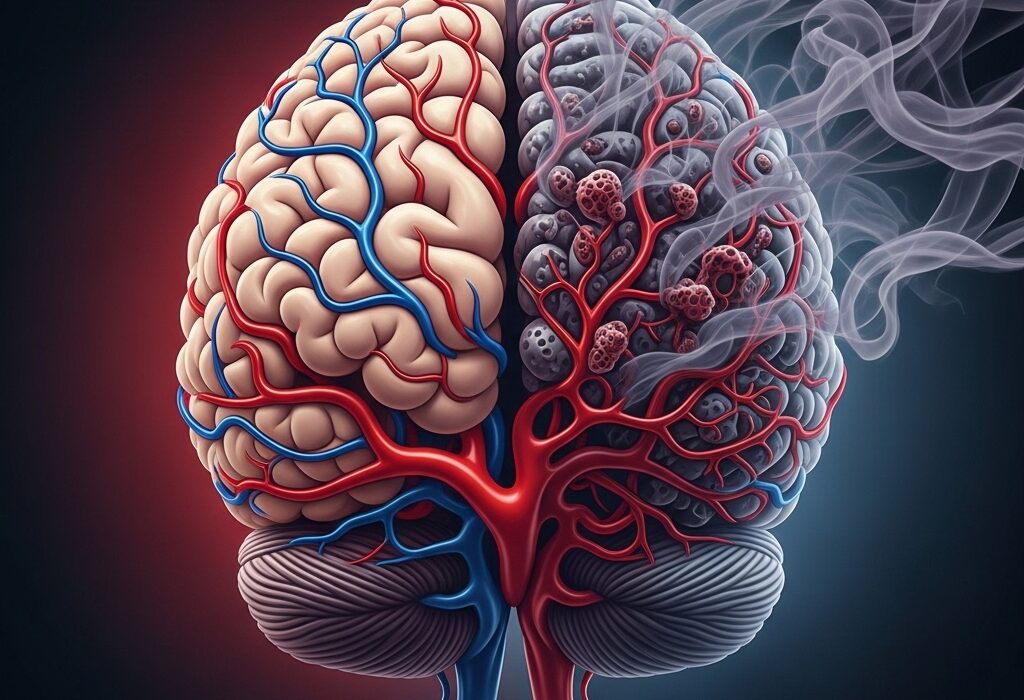
Memory changes can feel frightening. You want to protect your independence and keep your mind sharp. Vascular dementia is a common condition that affects memory, thinking, and behavior. It happens when blood flow to the brain is reduced, depriving brain cells of vital oxygen and nutrients.
Many people confuse this condition with Alzheimer’s disease. While both cause memory issues, they develop differently. Alzheimer’s results from abnormal protein buildup in the brain. Vascular dementia stems directly from blocked or damaged blood vessels. Sometimes, a person can even have both conditions at the same time.
Early diagnosis gives you the best chance to slow the disease.You can do something when you see the indicators early. You can manage underlying health issues, protect your brain from further damage, and maintain your quality of life for longer.
What Is Vascular Dementia?
Your brain needs a constant supply of blood to work properly. Vascular dementia occurs when damaged blood vessels disrupt this flow. Without enough oxygen, brain cells eventually die. This leads to vascular cognitive impairment, where you might struggle with reasoning, planning, and memory.
This damage often links directly to strokes. A major stroke can block a large brain artery, causing immediate symptoms. Other times, the damage happens silently over time. Small vessel disease slowly narrows the tiny blood vessels deep inside the brain, causing gradual changes in how you think and function.
Causes of Vascular Dementia
Protecting your brain means understanding the vascular dementia causes. The primary driver is any condition that damages your blood vessels.
A stroke is the most common cause. When a blood clot blocks an artery in the brain, it cuts off the blood supply. This causes immediate tissue damage. Atherosclerosis, or the hardening of the arteries, also reduces blood flow. Other major contributors include high blood pressure, diabetes, and heart disease. These conditions weaken blood vessels over time, making it harder for blood to reach your brain.
Types of Vascular Dementia
Doctors categorize the types of vascular dementia based on how the brain damage occurs.
- Post-stroke dementia: This happens immediately after a major stroke. Symptoms usually appear suddenly.
- Multi-infarct dementia: This results from a series of small, often unnoticed strokes. The damage builds up over time
- .
- Subcortical vascular dementia: This involves disease in the very small blood vessels deep inside the brain. It causes slow, gradual cognitive decline.
- Mixed dementia: This occurs when a person has both vascular changes and Alzheimer’s disease at the same time.
Symptoms of Vascular Dementia
Recognizing vascular dementia symptoms early allows you to seek help sooner. The signs vary depending on which part of the brain lacks blood flow.
You might notice memory loss, though it is often less severe initially than in Alzheimer’s. Confusion and difficulty concentrating are very common. You may have trouble planning, organizing tasks, or following instructions. Thinking can become noticeably slower. Mood changes, including depression and irritability, frequently occur. You might also experience physical signs, such as difficulty walking, poor balance, or frequent falls.
Stages of Vascular Dementia
The way this condition becomes worse is different for each person. However, the stages of vascular dementia explained below offer a general guide to how symptoms change over time.
In the early stage, you might notice mild changes. You can still live independently, but you may struggle with complex tasks like managing finances or organizing your schedule.
In the middle stage, the signs become clearer. Confusion increases. You might need help with daily activities like dressing or preparing meals. Physical symptoms, such as balance issues, often worsen here.
In the late stage, severe memory loss and confusion take over. You will require full-time care for daily living. Physical abilities decline significantly, and you may lose the ability to speak or walk.
Risk Factors
Several risk factors increase your chances of developing this condition. High blood pressure puts constant stress on your blood vessels. Smoking damages arteries and increases stroke risk. Diabetes and high cholesterol also accelerate blood vessel damage. Obesity and a lack of physical activity further strain your heart and circulation. Finally, advancing age naturally increases your risk.
Diagnosis
A clear diagnosis brings peace of mind and a plan of action. Doctors use a combination of tools to assess your brain health.
They will start with your medical history and specific cognitive tests to check your memory and problem-solving skills. Brain imaging, such as an MRI or CT scan, helps doctors look for visible signs of strokes or blood vessel damage. Blood tests can rule out other causes of confusion, like vitamin deficiencies. A thorough neurological examination will also check your reflexes, balance, and coordination.
Treatment and Management
Effective vascular dementia treatment focuses on managing underlying conditions and preventing further brain damage. While the existing damage cannot be reversed, you can slow the progression. When it comes to managing your circulatory health, vascular care is the best service provider.
Medical Treatment
Your doctor will prescribe medications to manage symptoms and control risk factors. Keeping your blood pressure, cholesterol, and blood sugar in a healthy range is crucial to prevent further strokes.
Lifestyle Changes
Healthy habits protect your brain. Eat a balanced, heart-healthy diet rich in vegetables and lean proteins. Exercise regularly to keep your blood flowing. If you smoke, quit immediately.
Supportive Care
Cognitive therapy helps you find new ways to manage daily tasks. Caregiver support ensures your family has the resources they need. Implementing safety measures at home, like removing trip hazards, prevents dangerous falls.
Complications
Without proper management, complications arise. You face an increased risk of further strokes. Progressive cognitive decline leads to greater disability, ultimately requiring full-time assistance. Taking control of your vascular health early minimizes these risks.
Prevention Tips
You can take action right now. If you want to know how to prevent vascular dementia, start with your heart. Control your blood pressure and manage your diabetes carefully. Stay physically active to keep your arteries flexible. Eat a healthy diet that supports strong blood vessels.What is excellent for your heart is also beneficial for your brain.
When to See a Doctor
Do not ignore changes in your memory or behavior. See a doctor if you notice early memory problems or struggle to complete routine tasks. Sudden confusion or weakness, especially after a suspected stroke, requires emergency medical care. Unexplained behavioral or personality changes also warrant a prompt medical evaluation.
Frequently Asked Questions
What is vascular dementia?
It is a condition caused by reduced blood flow to the brain, leading to memory and thinking problems. When brain cells do not get enough oxygen, they stop working properly.
How is it different from Alzheimer’s?
Vascular dementia is caused by damaged blood vessels, whereas Alzheimer’s is caused by abnormal protein buildup. Vascular symptoms often appear suddenly after a stroke, while Alzheimer’s progresses very slowly.
Is vascular dementia reversible?
Not at all. The brain damage that has already occurred cannot be fixed, but treatment can prevent further damage.
What are the first indicators of vascular dementia?
Early signs include trouble planning, slowed thinking, and mild confusion. Memory loss may also occur but is usually less prominent at first.
What is the average lifespan of an individual with vascular dementia?
Life expectancy with vascular dementia varies widely, typically ranging from three to five years after diagnosis. Managing underlying health conditions can help maximize both longevity and quality of life.
Protect Your Brain Health Today
Your brain health depends on healthy blood vessels. By understanding the causes, recognizing the early symptoms, and managing your risk factors, you can protect your memory and your independence. Early diagnosis is your strongest tool. If you or a loved one are experiencing memory changes or vascular issues, do not wait. Schedule your consultation today and embark on the journey to improved health.