5 Common Varicose Veins Symptoms and How to Identify Them Early
Common Varicose Veins Symptoms
It usually starts small. A slight heaviness in the leg after a long day. A vein you hadn’t noticed before. A dull throb that you chalk up to tiredness or age.
You ignore it. Most people do.
But varicose veins don’t just happen overnight. They build quietly, layer by layer, often over months or years. And the earliest warning signs — the ones that could save you from serious complications — are the ones people miss the most.
This guide breaks down the 5 most common varicose vein symptoms, how they differ between primary and secondary cases, what leg swelling is actually telling you, and when the situation crosses from “manageable” into “urgent.”
“The most dangerous varicose vein isn’t the one that looks the worst — it’s the one you stopped paying attention to.”
The 5 core varicose veins symptoms: what your body is trying to tell you
Whether you’re seeing the early signs of varicose veins or dealing with something that’s been there for years, these five symptoms are the ones that matter most. Some feel dramatic. Others barely register. All of them deserve attention.
Symptom 01
Visible, twisted veins under the skin
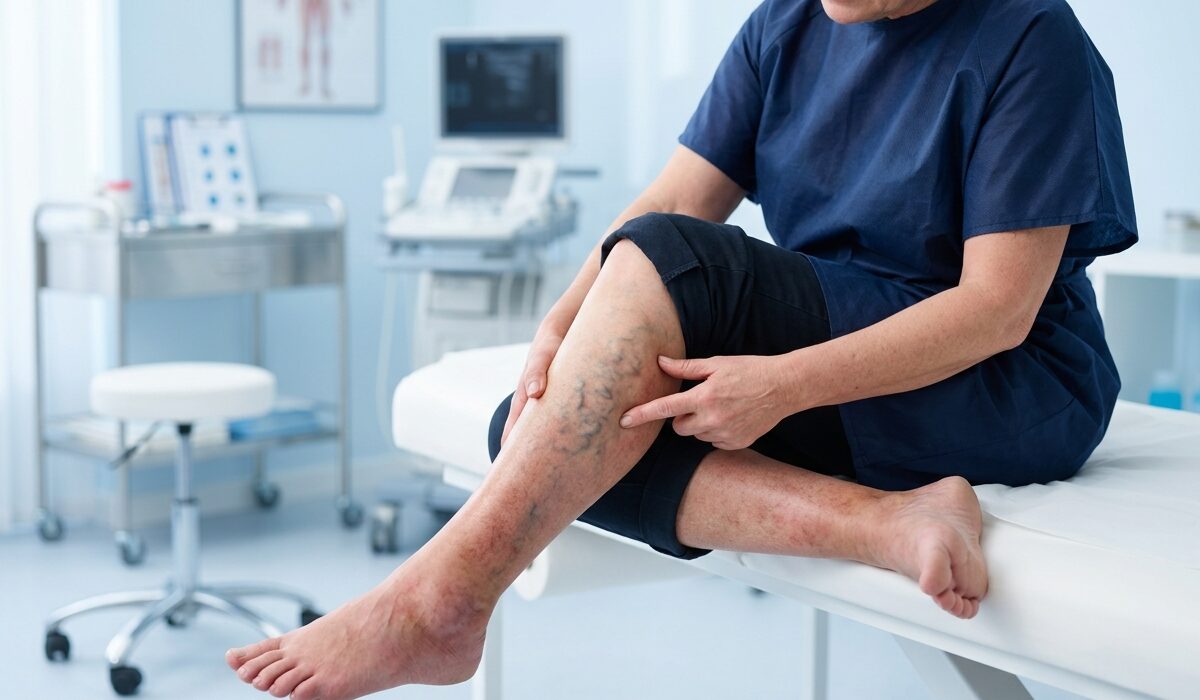
Bulging blue or purple veins on the calves or thighs are the most recognized sign. But visible doesn’t always mean serious, and invisible doesn’t mean safe.
Symptom 02
Aching, burning pain in the veins
Pain in veins — a deep ache or burning sensation, usually worse after standing — signals that blood is pooling and pressure is building inside the vessel walls.
Symptom 03
Leg swelling, especially around the ankle
One of the most underestimated leg swelling causes is faulty vein valves. When blood can’t drain efficiently, fluid builds up in the surrounding tissue — first around the ankle, then higher.
Symptom 04
Restless legs and nighttime cramping
That irresistible urge to move your legs at night, or cramps that wake you at 2am, is frequently linked to venous insufficiency—not just tiredness or dehydration.
Symptom 05
Skin changes near the ankle
Browning, thickening, or itchy skin around the lower leg is a late-stage warning. It means vein pressure has been high for long enough to damage the surrounding tissue.
Why surface diagnosis is a mistake
Here’s a pattern that plays out every day in vascular clinics: someone comes in with large, dramatic-looking varicose veins that turn out to be low-risk. And someone else arrives with almost nothing visible on the surface—yet their ultrasound reveals significant vein damage and early signs of venous disease.
The lesson? You cannot diagnose varicose vein severity by looking at them.
This matters because people make two opposite mistakes. Some panic over cosmetic spider veins that need nothing more than lifestyle changes. Others live with genuine warning signs for years—painful veins, leg swelling, skin changes—because they assume “if it were serious, it would look worse.”
Early signs of varicose veins to check for right now
- Legs that feel heavier than usual by mid-afternoon
- One ankle that swells more than the other at the end of the day
- A visible vein that has changed shape, size, or colour recently
- Itching or discolouration on the lower leg or ankle area
- Cramping or restlessness in the legs that disrupts sleep
Deep vein thrombosis: the risk you can’t feel coming
The deep vein thrombosis symptoms to watch for—especially if they appear suddenly or in one leg only—include:
- Sudden, significant swelling in the calf or thigh
- A deep cramping pain that doesn’t ease with rest or elevation
- Skin that feels warm and looks red over a specific area
- Pain that gets sharper when you flex your foot upward
- Visible surface veins that appear suddenly and without explanation
If you have existing varicose veins and notice any of the above — particularly after a long flight, surgery, illness, or a period of immobility — do not wait for a routine appointment. Go to the emergency department the same day and ask for a duplex ultrasound.
DVT is not something a visual inspection can rule out. It requires imaging. And when caught early, it’s very treatable. When missed, the consequences can be irreversible.
Final Words
What now? A clear, honest answer
If you’ve read this far, something in these symptoms probably resonated. Maybe it’s the leg heaviness you’ve been brushing off. Maybe it’s the ankle that swells every evening. Maybe it’s a vein that’s changed.