Understanding vascular surgery for better health
Your circulatory system keeps you moving. When your blood vessels do not function properly, it affects your entire body. Vascular surgery restores healthy blood flow. It removes blockages, repairs damaged veins, and prevents serious complications like strokes or heart attacks.
If you experience leg pain, swelling, or visible veins, you might need a vascular specialist. These issues do not resolve on their own. But they are highly treatable. Say goodbye to discomfort and restricted mobility with the right vascular disease treatment.
What is vascular surgery?
Vascular surgery focuses on diseases of your vascular system. This includes your arteries, veins, and lymphatic circulation. It manages conditions affecting all parts of your body, except your heart and brain.
Many people confuse vascular surgeons with cardiologists. The difference is simple. Cardiologists treat the heart itself. A vascular surgeon treats the blood vessels outside of the heart. They ensure blood reaches your limbs and organs safely.
Types of vascular surgery procedures
Treatment depends on your specific condition. A skilled vascular surgeon will recommend the safest, most effective approach for you.
Open surgery
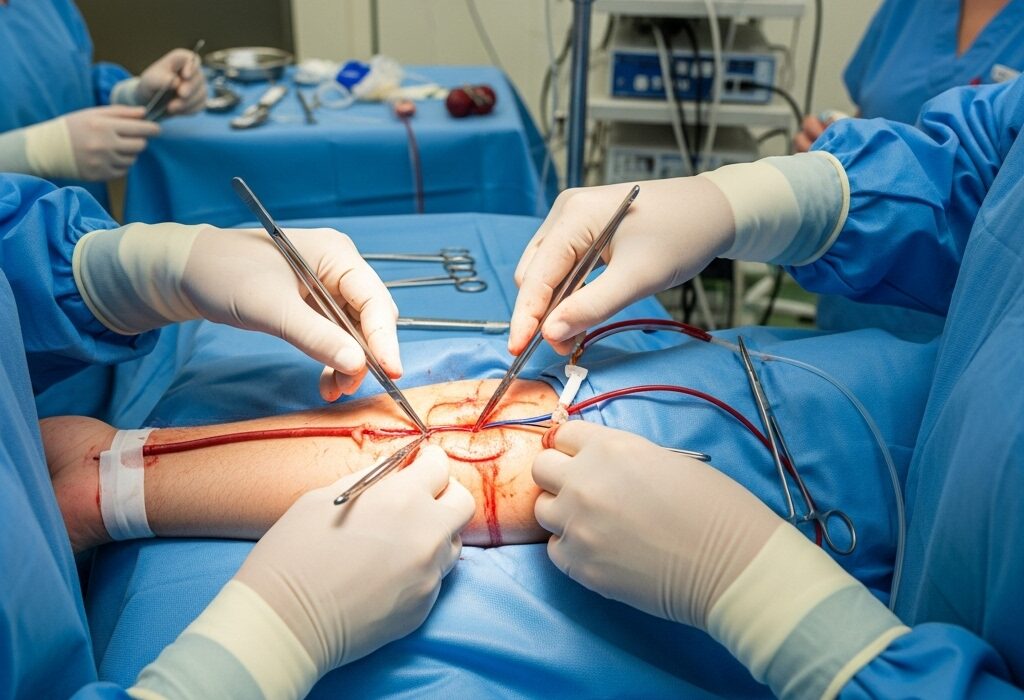
This is the traditional method. Your surgeon makes an incision to access the blood vessel directly. It is highly effective for complex blockages or large aneurysms.
Endovascular surgery
This is a minimally invasive approach. Your surgeon uses a small catheter placed inside your blood vessel. It requires only a tiny puncture. You experience less pain and a faster recovery.
Common procedures
- Angioplasty and stenting: A tiny balloon opens a blocked artery. A mesh stent keeps it open.
- Bypass surgery: Your surgeon creates a new path for blood to flow around a blocked vessel.
- Aneurysm repair: Weakened artery walls are reinforced to prevent a rupture.
- Carotid endarterectomy: Plaque is removed from the arteries in your neck to prevent a stroke.
- Vascular surgery for varicose veins: Problematic veins are removed or closed off using heat or medical glue.
Conditions treated by vascular surgery
A vascular surgeon manages a wide range of circulatory issues. Common conditions include:
- Peripheral artery disease (PAD): Blocked arteries reduce blood flow to your legs.
- Aneurysms: A dangerous bulging in an artery wall.
- Deep vein thrombosis (DVT): Blood clots form in your deep veins, usually in your legs.
- Varicose veins: Swollen, twisted veins that cause pain and self-consciousness.
- Carotid artery disease: Plaque buildup in the neck arteries.
- Chronic venous insufficiency: Valves in your leg veins fail to pump blood back to your heart.
Symptoms that require evaluation
Listen to your body. Catching symptoms early prevents emergencies. Watch for these warning signs:
- Leg pain or cramping while walking (claudication).
- Unexplained swelling or slow-healing ulcers on your legs.
- Numbness, tingling, or weakness in your limbs.
- Bulging, visible veins that cause aching or heaviness.
- Stroke warning signs, such as sudden vision loss or difficulty speaking.
Benefits of vascular surgery
The goal is simple. Improve your health and keep you active.
Vascular surgery restores healthy blood flow immediately. It prevents life-threatening events like a stroke or heart attack. You regain your mobility. You stop living with constant leg pain. Go back to your routine activities without limitation.
Risks of vascular surgery
Every medical procedure carries some risk. Being informed helps you prepare.
Risks include infection at the incision site. Blood clots can form. Bleeding may occur during or after the procedure. Some patients face general recovery challenges, such as temporary fatigue.
Your surgeon will explain exactly how they minimize these risks. Safety comes first.
Preparation before surgery
Proper preparation ensures the best outcome. You will undergo medical tests, like ultrasounds or blood work, to map your blood vessels.
You may need to adjust your current medications. Lifestyle changes matter too. Stopping smoking is the single most important step you can take before your procedure.
Vascular surgery recovery and aftercare
Your recovery time after vascular surgery depends on the procedure type.
For minimally invasive endovascular surgery, you might go home the same day. Open surgery usually requires a short hospital stay.
Complete recovery takes a few weeks. Follow your surgeon’s lifestyle tips. Eat a balanced diet, incorporate gentle daily walks, and avoid smoking. These habits keep your blood vessels healthy long after your surgery.
Cost of vascular surgery
Pricing varies widely. It depends on your location, the specific procedure, and whether you need open or endovascular treatment.
Insurance often covers treatments for medical necessity, such as PAD or carotid artery disease. Cosmetic treatments for spider veins may not be covered. If you are in the UAE or KSA, consult directly with local clinics to understand precise pricing and insurance compatibility.
When to see a vascular surgeon
Do not wait for a minor issue to become a major crisis. If you have leg pain that stops you from walking, non-healing sores, or a family history of aneurysms, book an evaluation. Early detection saves limbs and lives.
Frequently asked questions
Is vascular surgery dangerous?
Not at all. When performed by an experienced specialist, it is highly safe and often prevents life-threatening complications.
How long does it take to recover?
It ranges from a few days to a few weeks. Minimally invasive procedures allow you to resume normal activities almost immediately.
What is the success rate?
Success rates are very high. Most patients experience immediate and lasting relief from their circulatory symptoms.
Is vascular surgery painful?
No. You will receive anesthesia during the procedure and effective pain management during your short recovery phase.
Can vascular disease be treated without surgery?
Yes, in early stages. Medication and lifestyle changes like exercise and diet can effectively manage mild vascular conditions.
Take control of your vascular health
Living with poor circulation holds you back. Vascular surgery offers a clear, proven path to relief. Whether you need a simple minimally invasive procedure or comprehensive care, choosing the right provider is critical.
Vascular care is the best service provider for these procedures. Their specialists prioritize your safety, comfort, and long-term health. Do not let untreated veins or arteries dictate your life. Book your consultation today. Begin your path to better health.