What Causes Varicose Veins? A Complete Guide to Causes, Symptoms, and Treatments
Varicose veins are more than simply a beauty issue. For many, they represent discomfort, pain, and a sign of underlying circulatory issues. While these swollen, twisted veins are a common sight—particularly among adults in Asia and Pakistan—understanding what causes varicose veins is the first step toward effective management and treatment.
By identifying the root causes, you can take proactive steps to improve your vascular health. This guide explores the biological mechanisms behind varicose veins, the primary risk factors, and actionable prevention strategies to keep your legs healthy.
What Are Varicose Veins?
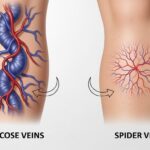
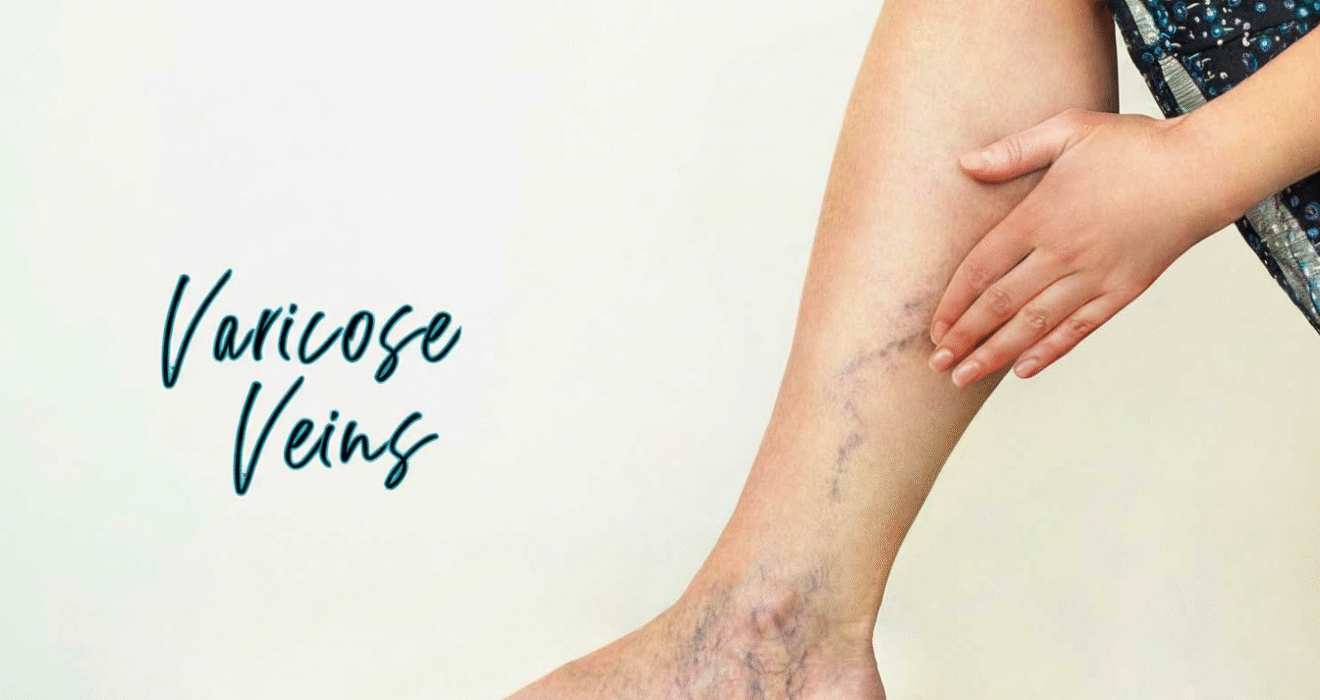
Varicose veins are swollen, twisted veins that usually show up in the legs and feet.They are usually blue or dark purple and can appear lumpy, bulging, or twisted beneath the surface of the skin.
These veins develop when the valves inside them become weak or damaged. Instead of flowing smoothly back to the heart, blood pools in the veins, causing them to stretch and swell. While any vein can become varicose, the veins in your legs and feet are most vulnerable because standing and walking increase the pressure in the veins of your lower body.
How Do Veins Normally Work?
To understand why varicose veins occur, it helps to understand how a healthy circulatory system functions. Your arteries carry oxygen-rich blood from your heart to the rest of your tissues. Your veins have the difficult job of returning that blood—now low in oxygen—back to your heart against the force of gravity.
To prevent blood from flowing backward, the veins in your legs are equipped with tiny, one-way valves.
- Healthy Veins: The muscle contractions in your lower legs act as pumps, and elastic vein walls help blood return to your heart. Tiny valves open as blood flows toward your heart and close to stop it from flowing backward.
- Damaged Veins: If these valves are weak or damaged, blood can flow backward and pool in the vein, causing the veins to stretch or twist. This condition is known as venous insufficiency.
Main Causes of Varicose Veins
Several factors can increase your risk of developing this condition. Here are the primary causes of varicose veins:
Family History (Genetics)
Genetics plays a significant role in your likelihood of developing varicose veins. If other family members have them, there is a greater chance you will too. In fact, heredity is often cited as the single biggest risk factor. If you have a history of weak vein valves in your family, it is crucial to monitor your vascular health closely.
Age
Your veins may lose their flexibility as you get older, which can make them stretch. The valves in your veins may also become weak, allowing blood that should be moving toward your heart to flow backward. This is why varicose veins causes and symptoms become much more common after age 40.
Pregnancy
Pregnancy is a major contributing factor for many women. During pregnancy, the volume of blood in your body increases to support the growing fetus, but this also enlarges the veins in your legs. Furthermore, hormonal changes during pregnancy can relax vein walls, increasing the risk. The growing uterus also exerts pressure on the veins in your pelvic area and legs. Fortunately, varicose veins that develop during pregnancy often improve without medical treatment within three to 12 months after delivery.
Prolonged Standing or Sitting
Your blood doesn’t flow as well if you are in the same position for long periods. Professions that require prolonged standing or sitting—such as teachers, shopkeepers, factory staff, healthcare workers, and salespeople—are at higher risk. When you remain stationary, the calf muscles don’t contract to pump blood back up to the heart, leading to blood pooling in the legs.
Obesity or Being Overweight
Excess weight puts added pressure on your veins. This increased pressure can damage the valves and weaken the vein walls, significantly increasing the risk factors for developing swollen veins and valve damage.
Hormonal Changes
Women are more likely to develop the condition than men due to hormonal fluctuations. Hormonal changes during puberty, pregnancy, and menopause can relax vein walls, making valves more prone to leaking. Birth control pills and hormone replacement therapy may also increase the risk.
Lack of Physical Activity
A sedentary lifestyle contributes to poor blood flow. Without regular movement, the calf muscle pump is not engaged effectively, increasing the chances of blood pooling in the lower extremities.
Injury or Trauma to the Legs
Previous trauma or injury to the legs can damage the valves within the veins, leading to varicose veins later in life. Post-thrombotic syndrome, which can occur after a deep vein thrombosis (DVT), is a specific type of damage that can lead to chronic issues.
Chronic Venous Insufficiency
This is a long-term condition where the veins have trouble sending blood from the legs back to the heart. Over time, untreated chronic venous insufficiency inevitably leads to the formation of varicose veins.
Other Contributing Factors
Lifestyle choices and environmental factors can also play a role:
- Tight clothing: Garments that are tight around the waist, legs, or groin can restrict blood flow.
- High heels: Wearing high heels for long periods limits the range of motion in your ankle and calf muscles, reducing their ability to pump blood efficiently.
- Heat exposure: Frequent exposure to excessive heat, such as hot baths or saunas, can dilate veins and exacerbate swelling.
Who Is at Higher Risk?
While anyone can develop them, certain groups are at a higher risk. Varicose veins in women are statistically more common due to hormonal factors.
- Pregnant women
- People over the age of 40
- Individuals who stand or sit for long periods
- Overweight or obese individuals
- Those with a family history of vein problems
- People with existing circulatory issues
Symptoms of Varicose Veins
Varicose veins causes and symptoms often go hand-in-hand. While some people experience little physical discomfort, others face significant symptoms, including:
- Veins that are dark purple or blue
- Veins that appear twisted and bulging like cords on your legs
- An achy or heavy feeling in your legs
- Burning, throbbing, muscle cramping, and swelling in your lower legs
- Worsened pain after sitting or standing for a long time
- Itching around one or more of your veins
- Skin discoloration around a varicose vein
Can Varicose Veins Be Prevented?
While you cannot completely prevent varicose veins—especially if you have a strong genetic predisposition—you can improve your blood circulation and muscle tone to reduce your risk or slow their development. Varicose veins prevention tips include:
- Regular exercise: Walking is a great way to encourage blood circulation in your legs.
- Watch your weight: Shedding excess pounds takes unnecessary pressure off your veins.
- Elevate your legs: To improve circulation, take several short breaks daily to elevate your legs above the level of your heart.
- Avoid long periods of sitting or standing: Make a point of changing your position frequently to encourage blood flow.
- Wear compression stockings: These squeeze your legs, helping veins and leg muscles move blood more efficiently.
- Stay hydrated: Drinking plenty of water supports overall vascular health.
When Should You See a Doctor?
If self-care measures do not stop your condition from worsening, or if your varicose veins cause severe pain, you should consult a doctor. Seek medical attention if you experience:
- Sudden swelling in the leg
- Skin discoloration or inflammation
- Open sores or ulcers near your ankle (this may indicate vascular disease)
- Bleeding from a varicose vein
- Persistent pain that interferes with daily life
Treatment Options
Fortunately, treatment usually doesn’t mean a hospital stay or a long, uncomfortable recovery. Thanks to less invasive procedures, varicose veins treatment options can generally be done on an outpatient basis.
- Compression Stockings: Often the first approach, worn all day to steadily squeeze legs and help veins and leg muscles move blood more efficiently.
- Sclerotherapy: A doctor injects a solution into small and medium-sized varicose veins that scars and closes those veins.
- Foam Sclerotherapy of Large Veins: Injection of a large vein with a foam solution is also a possible treatment to close a vein and seal it.
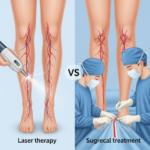
- Laser Treatment: Doctors can use new technology in laser treatments to close off smaller varicose veins and spider veins.
- Endovenous Laser Treatment (EVLT): A thin laser fiber is inserted into the vein to heat and seal it shut.
- Radiofrequency Ablation (RFA): This procedure uses radiofrequency energy to heat the vein wall and seal it shut.
- Surgical Options: For severe cases, surgical ligation and stripping may be necessary, though this is becoming less common with the advent of minimally invasive techniques.
Prioritize Your Vascular Health
Understanding what leads to varicose veins empowers you to make better lifestyle choices and seek appropriate care when needed. While genetics and age are out of your control, managing your weight, staying active, and avoiding prolonged immobility can significantly reduce your risk.
Early prevention is key, but if you are already experiencing symptoms, modern medicine offers effective solutions. For those seeking expert diagnosis and minimally invasive treatment, Vascular Care is the best service provider available. With a focus on safety, accuracy, and optimal health outcomes, you can trust that your vascular health is in capable hands. Don’t let varicose veins disrupt your life—consult a specialist if your symptoms persist or worsen.
Frequently Asked Questions (FAQs)
What causes varicose veins?
Varicose veins are caused by weakened or damaged valves within the veins. These valves are responsible for ensuring blood flows in one direction back to the heart. When they fail to function properly, blood pools in the veins, leading to their enlarged and twisted appearance.
Are varicose veins dangerous?
While varicose veins are often considered a cosmetic issue, they can sometimes cause discomfort, swelling, or aching. If left untreated, they may lead to more serious complications such as blood clots, ulcers, or skin changes. It’s important to consult a specialist if you experience worsening symptoms.
Can varicose veins be prevented?
Yes, you can take steps to reduce your likelihood of developing varicose veins. Maintaining a healthy weight, exercising regularly, avoiding prolonged sitting or standing, and elevating your legs can all help improve circulation and decrease pressure on your veins.
What treatment options are available?
Modern treatments for varicose veins include minimally invasive procedures such as laser therapy, sclerotherapy, or endovenous ablation. These treatments are highly effective, requiring little to no downtime, and are tailored to each patient’s unique needs.When should I see a doctor?
You should schedule a consultation with a vascular specialist if your varicose veins cause pain, discomfort, noticeable skin changes, or swelling that does not improve. Seeking early intervention ensures you receive the best possible care and outcomes.