- 0317-4123373
- Bahria University Road D2 Johar Town Lahore, Pakistan
- Working Hour: Monday To Tuesday 04PM – 06PM


Get comprehensive care for renal artery stenosis with Pakistan’s leading vascular specialists. Our advanced diagnostic techniques and minimally invasive treatments help restore kidney function and improve your quality of life.
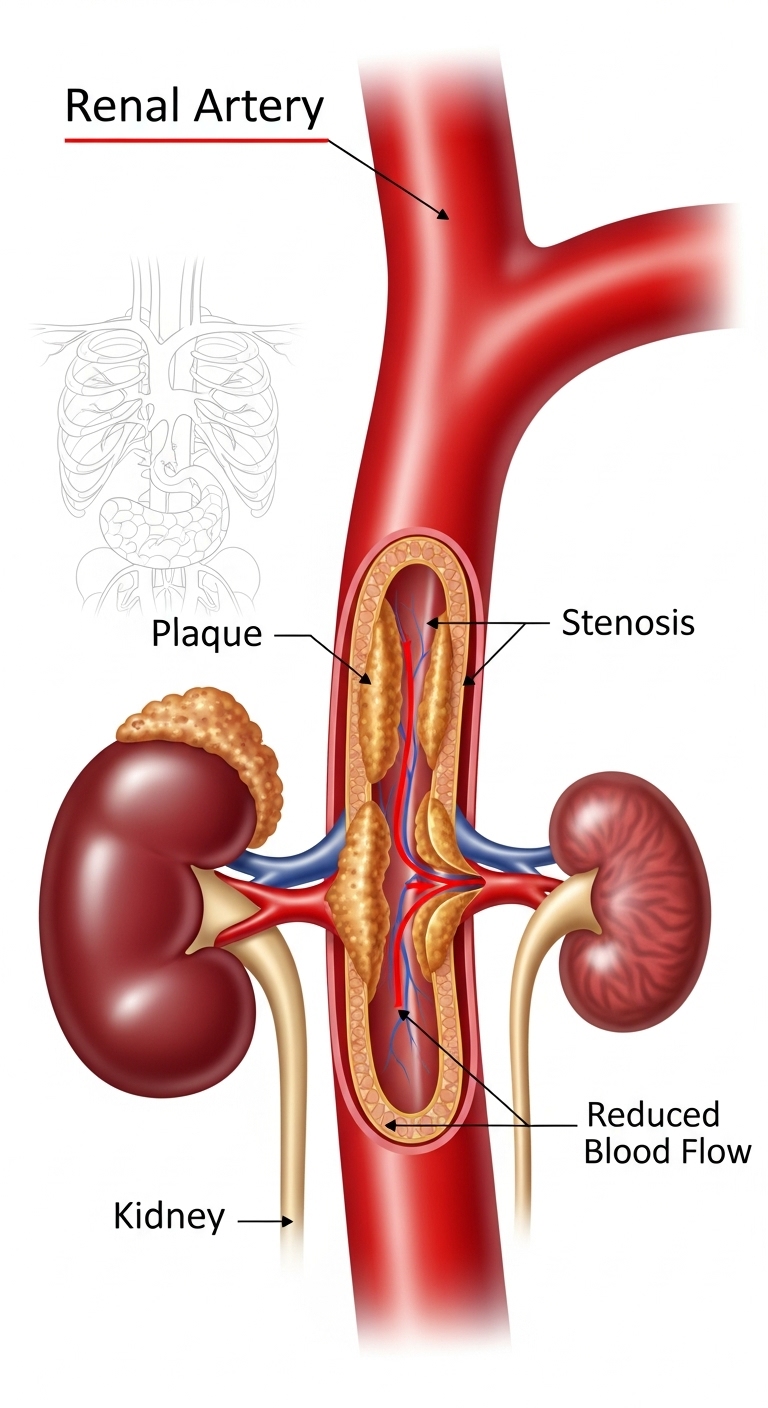
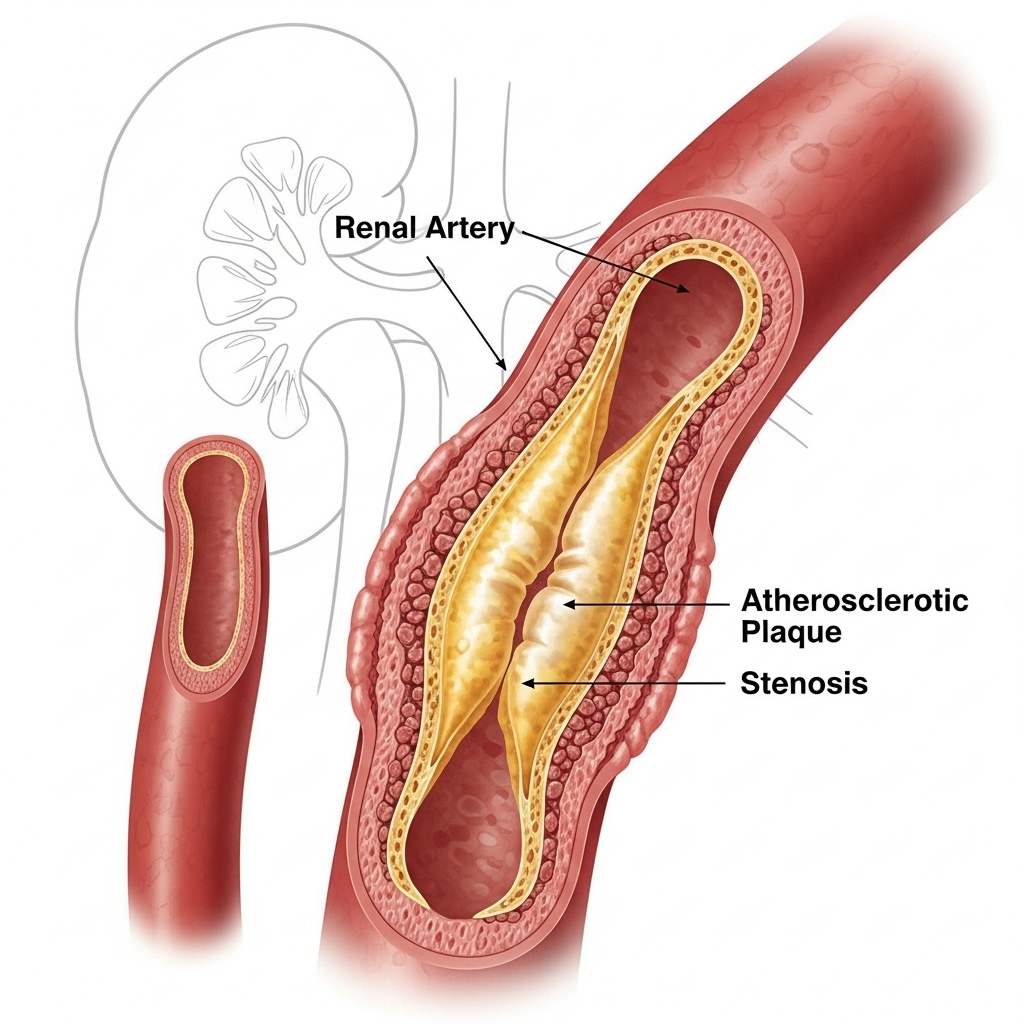
Renal artery stenosis (RAS) is a condition where the arteries that supply blood to your kidneys become narrowed or blocked. This kidney artery narrowing reduces blood flow to the kidneys, leading to high blood pressure and potentially serious complications if left untreated. Understanding this condition is the first step toward effective management and recovery.
Several factors can contribute to the development of renal artery stenosis:
Understanding your risk factors helps in early detection and prevention:
Many patients with renal artery stenosis may not experience symptoms initially. But when the situation gets worse, you might notice:
Without proper treatment, renal artery stenosis can lead to serious complications:
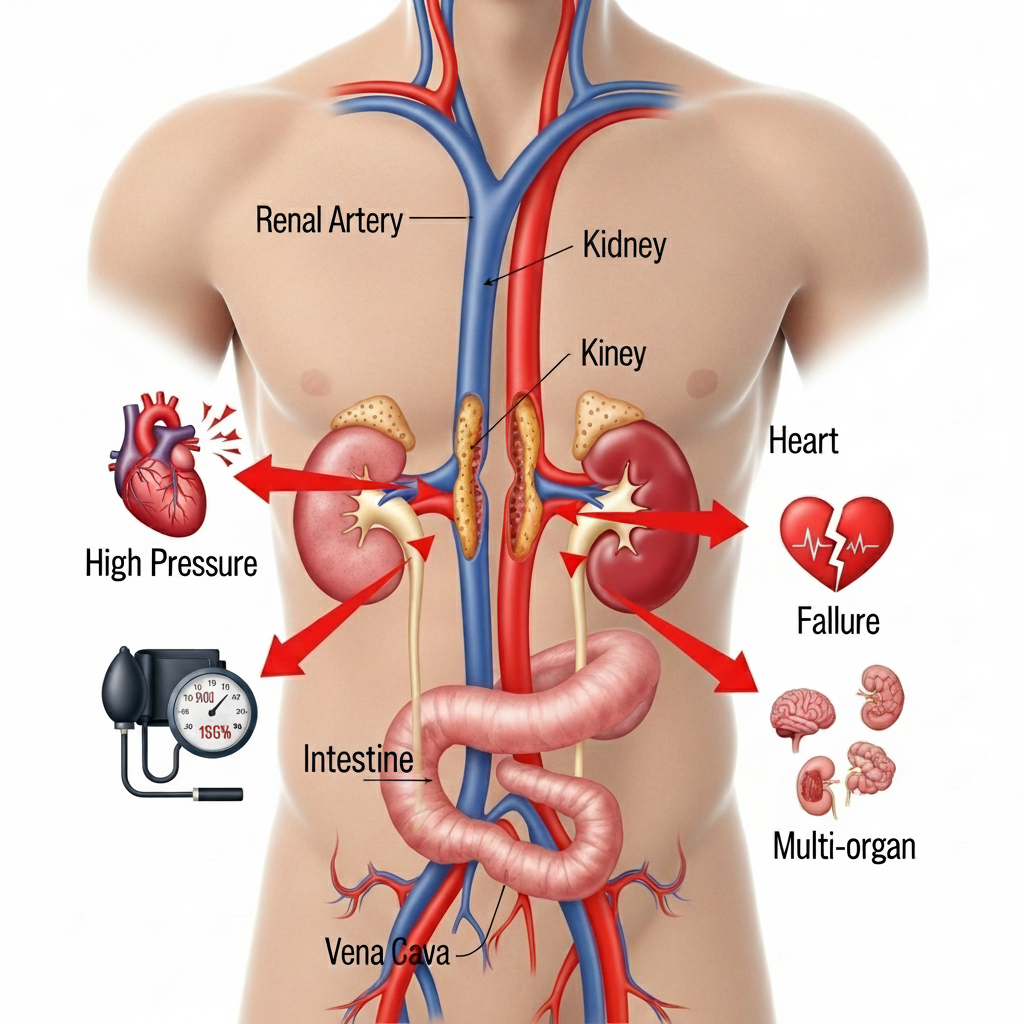
Progressive loss of kidney function that may require dialysis or transplantation.
Complete loss of kidney function, requiring immediate medical intervention.
Increased risk of heart attack, stroke, and other heart-related conditions.
Fluid accumulation in the lungs due to poor kidney function.
Blood pressure that remains high despite multiple medications.
Our state-of-the-art facilities utilize advanced imaging technology for accurate diagnosis:
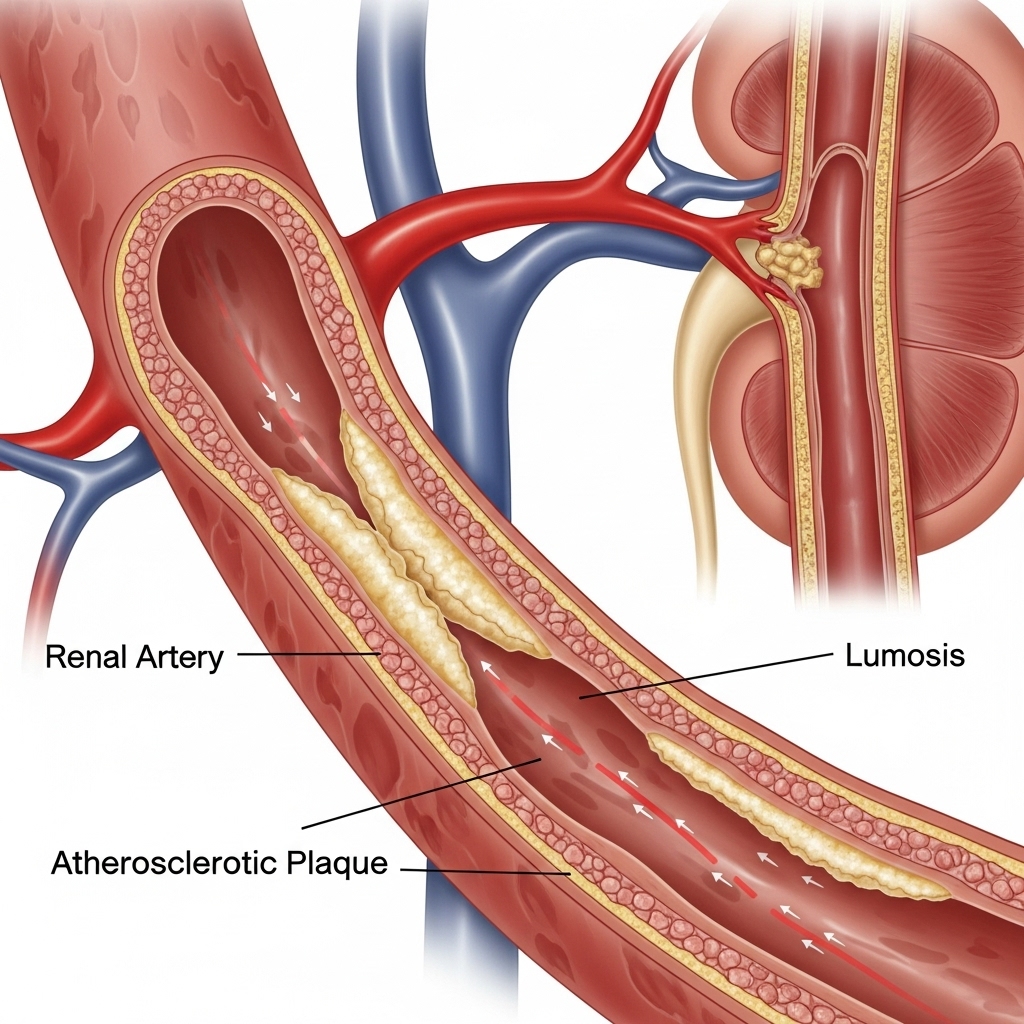
Detailed imaging that provides clear pictures of the renal arteries and any narrowing.
The gold standard for diagnosing renal artery stenosis with precise visualization.
To check how well the kidneys are working and the person's overall health.

Our comprehensive approach combines the latest medical and surgical techniques:
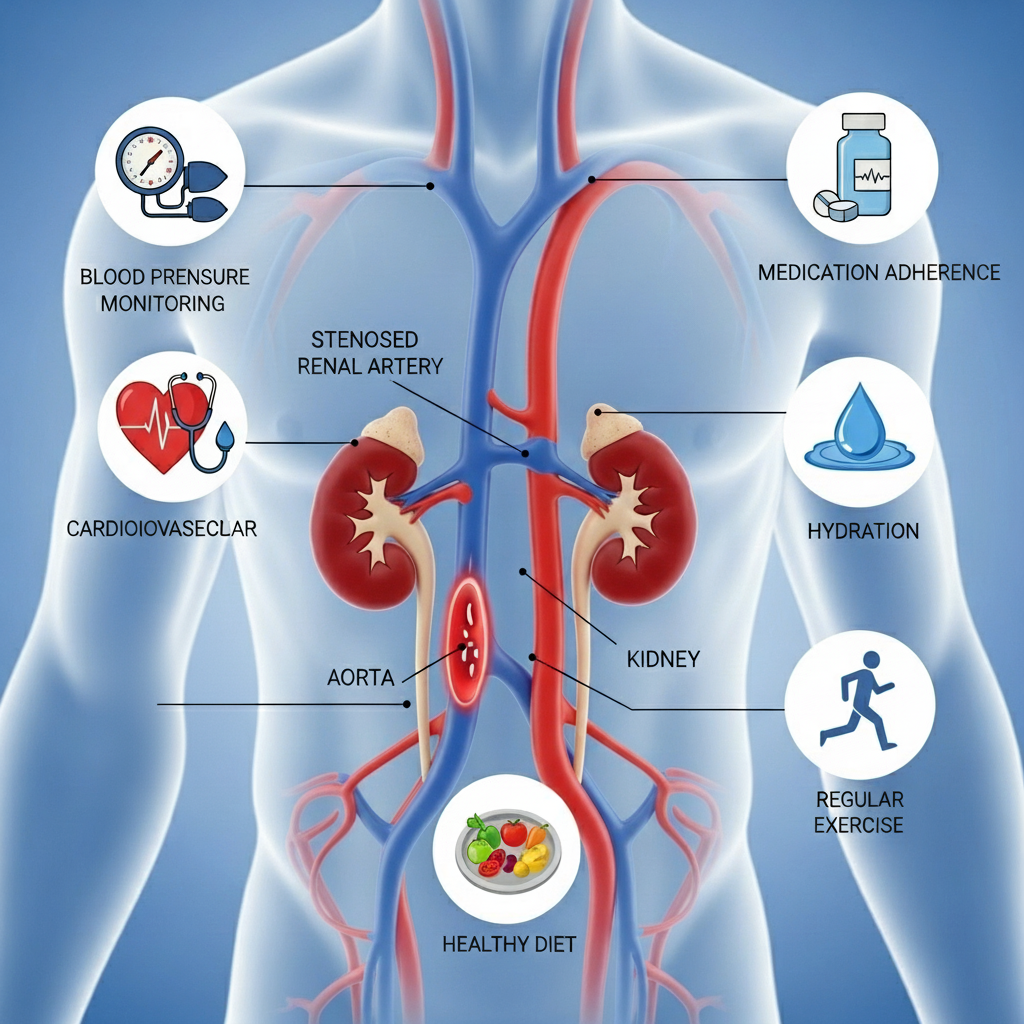
Our commitment to your health extends beyond treatment:
Seek immediate medical attention if you experience:
Yes, when performed by experienced vascular surgeons, renal artery stenosis procedures are generally safe. Our minimally invasive techniques reduce risks and promote faster recovery compared to traditional surgery.
Recovery time varies depending on the procedure. Minimally invasive treatments typically allow you to return to normal activities within a few days to weeks, while more complex procedures may require longer recovery periods.
With proper treatment, many patients experience significant improvement in kidney function and blood pressure control. Early intervention provides the best outcomes for long-term kidney health.
Our experienced team achieves high success rates comparable to international standards. The specific success rate depends on factors such as the severity of stenosis and overall health condition.
Most patients require ongoing medication management to maintain optimal blood pressure and kidney function. Your treatment plan will be tailored to your specific needs.