- 0317-4123373
- Bahria University Road D2 Johar Town Lahore, Pakistan
- Working Hour: Monday To Tuesday 04PM – 06PM
Secure your health with reliable hemodialysis access designed for optimal patient outcomes and reduced complications. Trust in our expertise to ensure efficient and safe dialysis treatment.
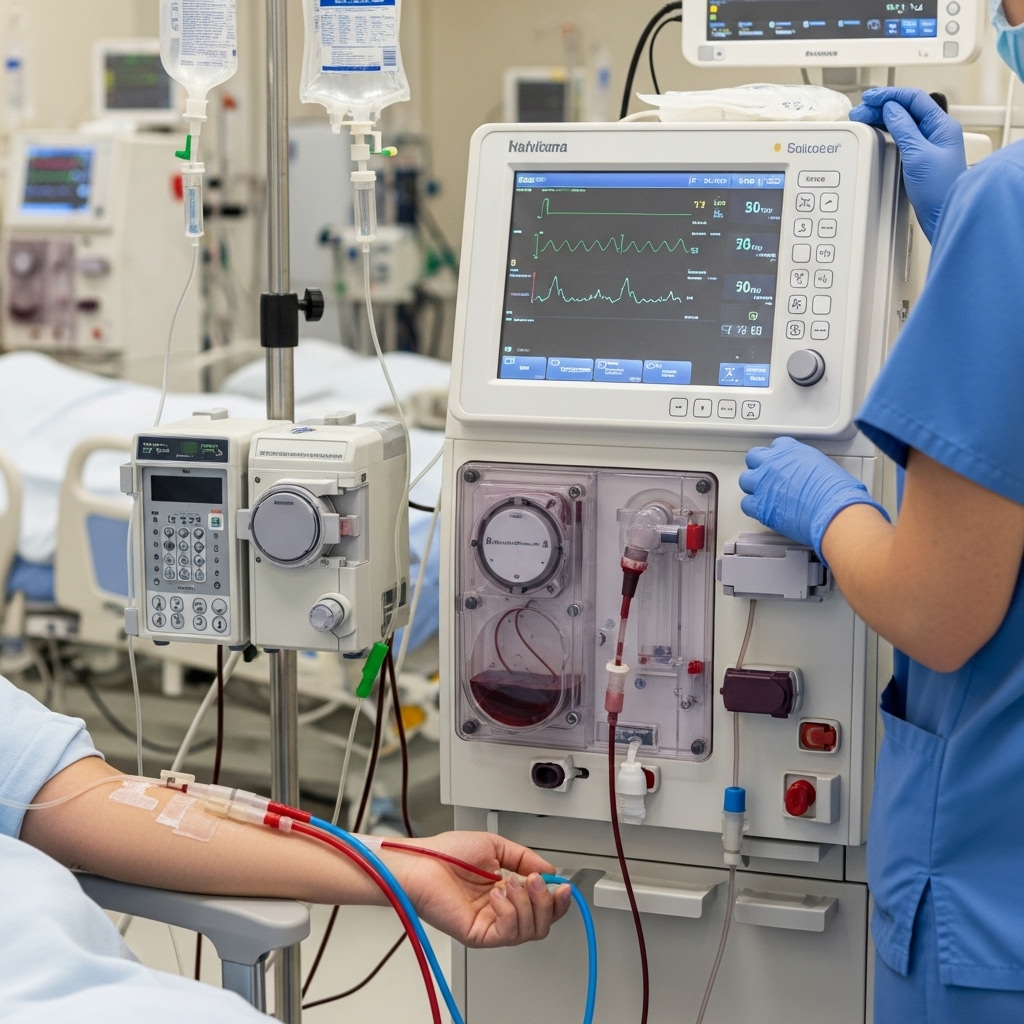
People with renal failure need hemodialysis to stay alive. To make this treatment possible, a reliable way to access your bloodstream is required. This is known as hemodialysis access or vascular access. A well-created access allows your blood to travel to the dialysis machine, where it is cleaned and then returned to your body. Having a functional and durable access is crucial for receiving effective and comfortable dialysis sessions.
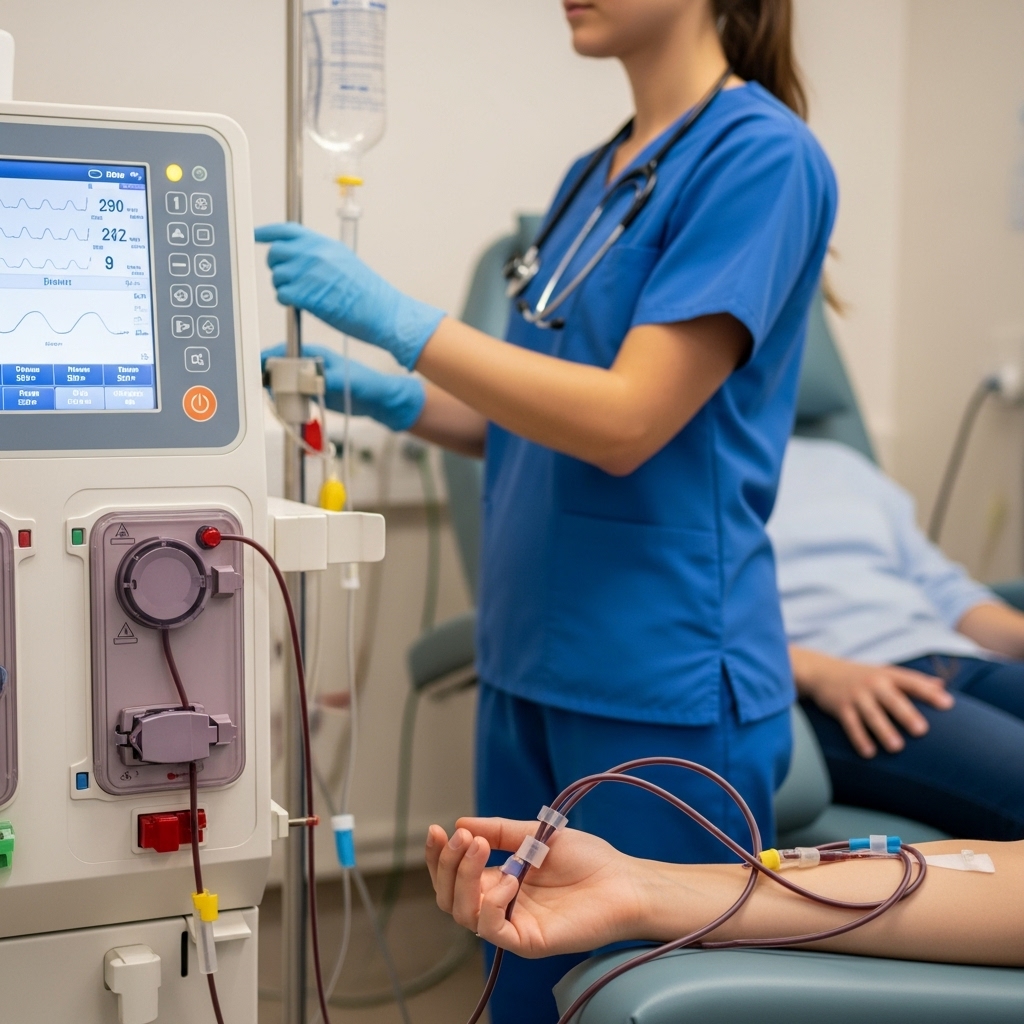
A well-maintained vascular access is your lifeline. Choosing the right type and ensuring it is properly cared for can significantly impact your treatment experience and overall health.
In its early stages, carotid artery disease often presents no symptoms. However, as the condition progresses, you may experience a transient ischemic attack (TIA), often called a “mini stroke.” TIAs are temporary blockages and serve as critical warning signs. Symptoms appear suddenly and can include:
If you experience any of these symptoms, it is crucial to seek emergency medical attention immediately.
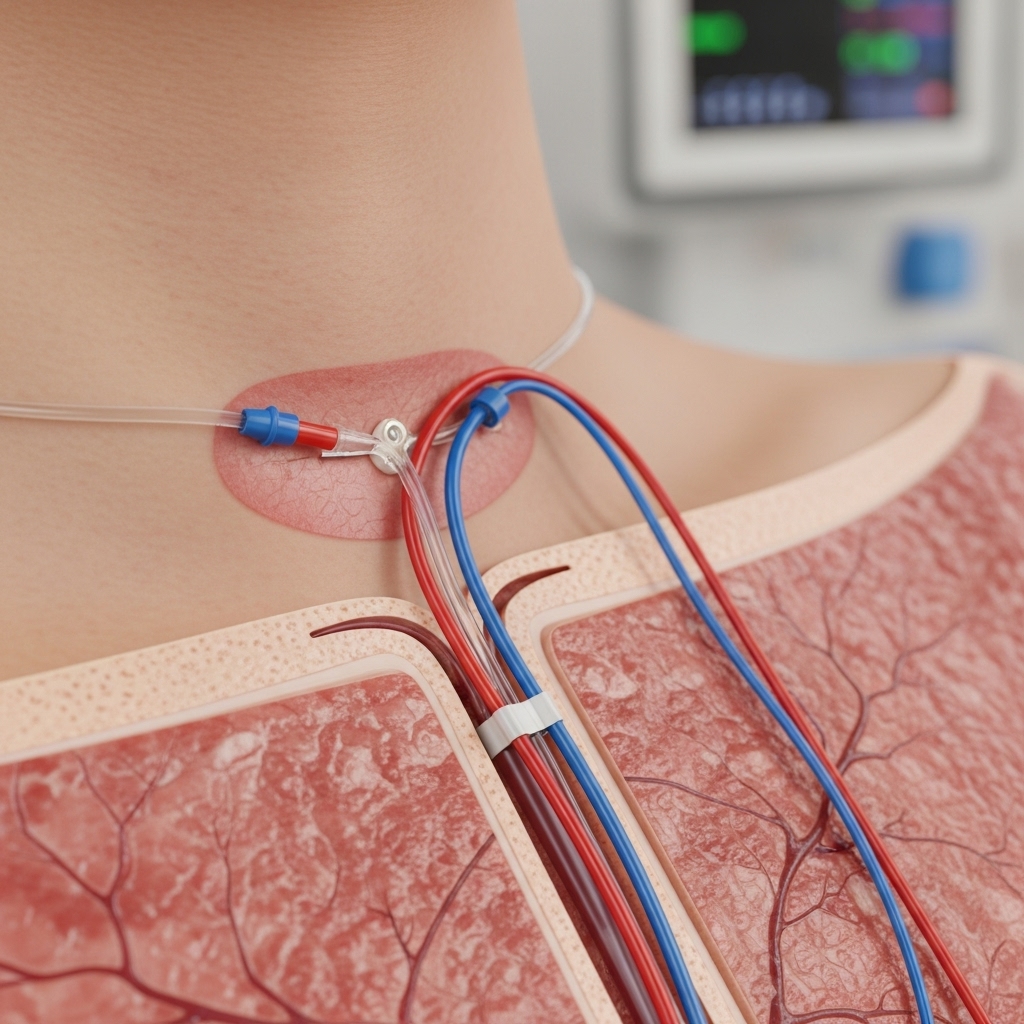
There are three primary types of vascular access for hemodialysis. The best option for you will be determined by a vascular specialist based on your medical condition and vein health.
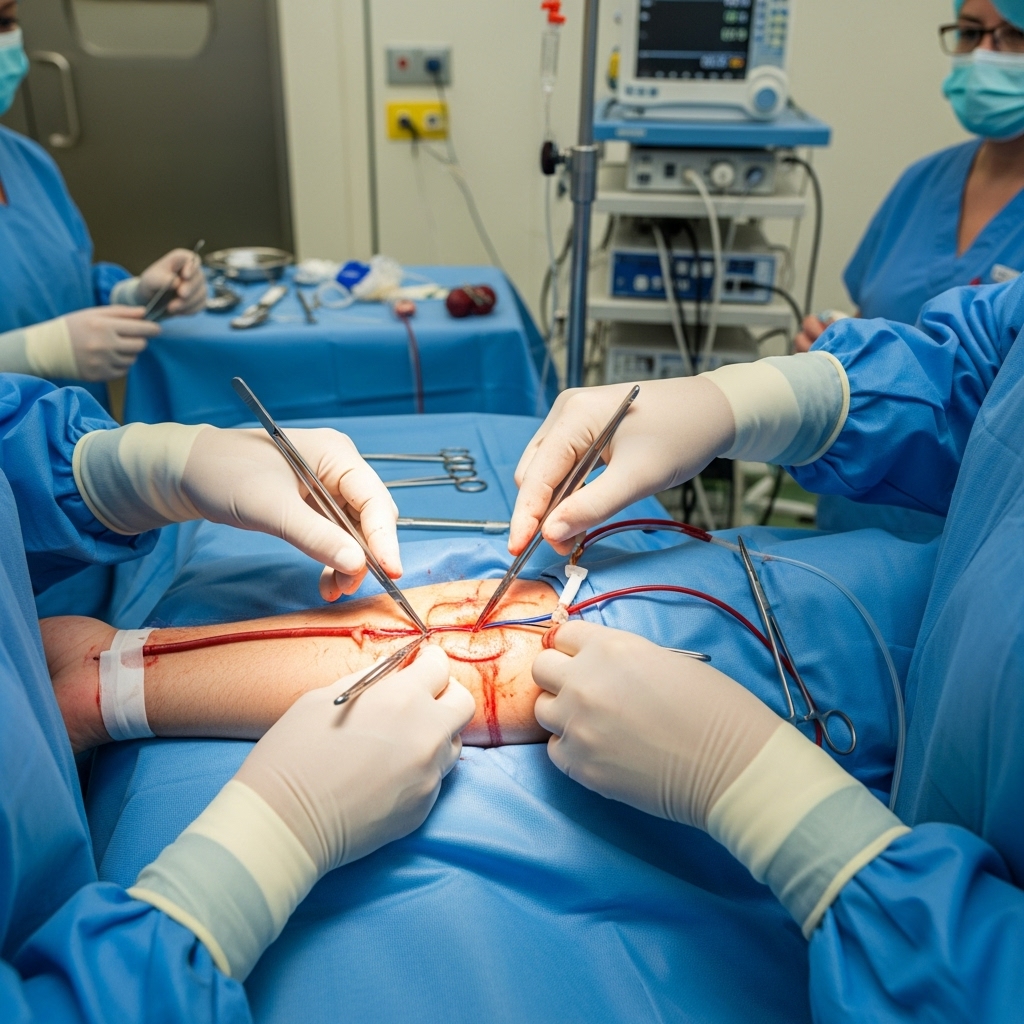
Creating an AV fistula or graft is a surgical procedure, usually performed on an outpatient basis. Your vascular surgeon will explain the process and what to expect. Recovery time varies, and it may take several weeks or months for a fistula or graft to be ready for use.

It is important to monitor your access for any signs of trouble. Watch for:
Call your doctor right away if you see any of these indications.
An AV fistula is generally considered the "gold standard" because it has the lowest risk of complications and tends to last the longest. However, the best option depends on your individual health and vein structure. A vascular surgeon will help you make the right choice.
The cost of dialysis services can vary between different hemodialysis centers in Pakistan. We recommend contacting facilities directly for specific pricing information. Our focus is on providing durable access solutions to make your ongoing treatment as effective as possible.
The most important steps are to wash the skin over your access with soap and water before each treatment, ensure your dialysis care team uses aseptic techniques, and monitor for any signs of infection like redness or swelling.
If your access fails, it may be possible to repair it with a minor procedure. In other cases, a new access may need to be created. Regular monitoring by your healthcare provider can help detect problems early.
You should contact your doctor or dialysis center immediately if you experience any pain, swelling, redness, or drainage from your access site, or if you can no longer feel the thrill.