- 0317-4123373
- Bahria University Road D2 Johar Town Lahore, Pakistan
- Working Hour: Monday To Tuesday 04PM – 06PM


Receive comprehensive care for diabetic foot ulcers from a leading specialist. Our clinic provides advanced, personalized treatment plans to promote faster healing and prevent complications, helping you get back on your feet with confidence.
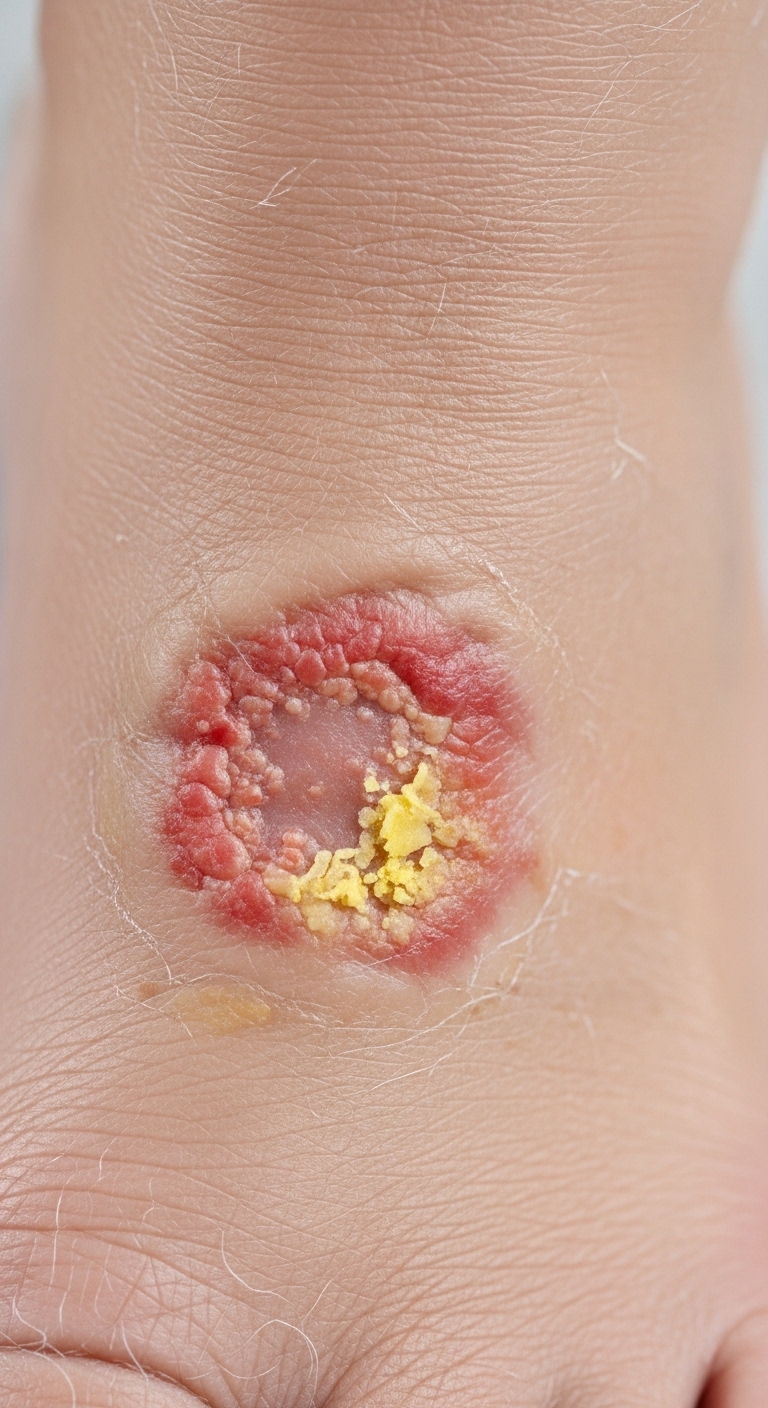
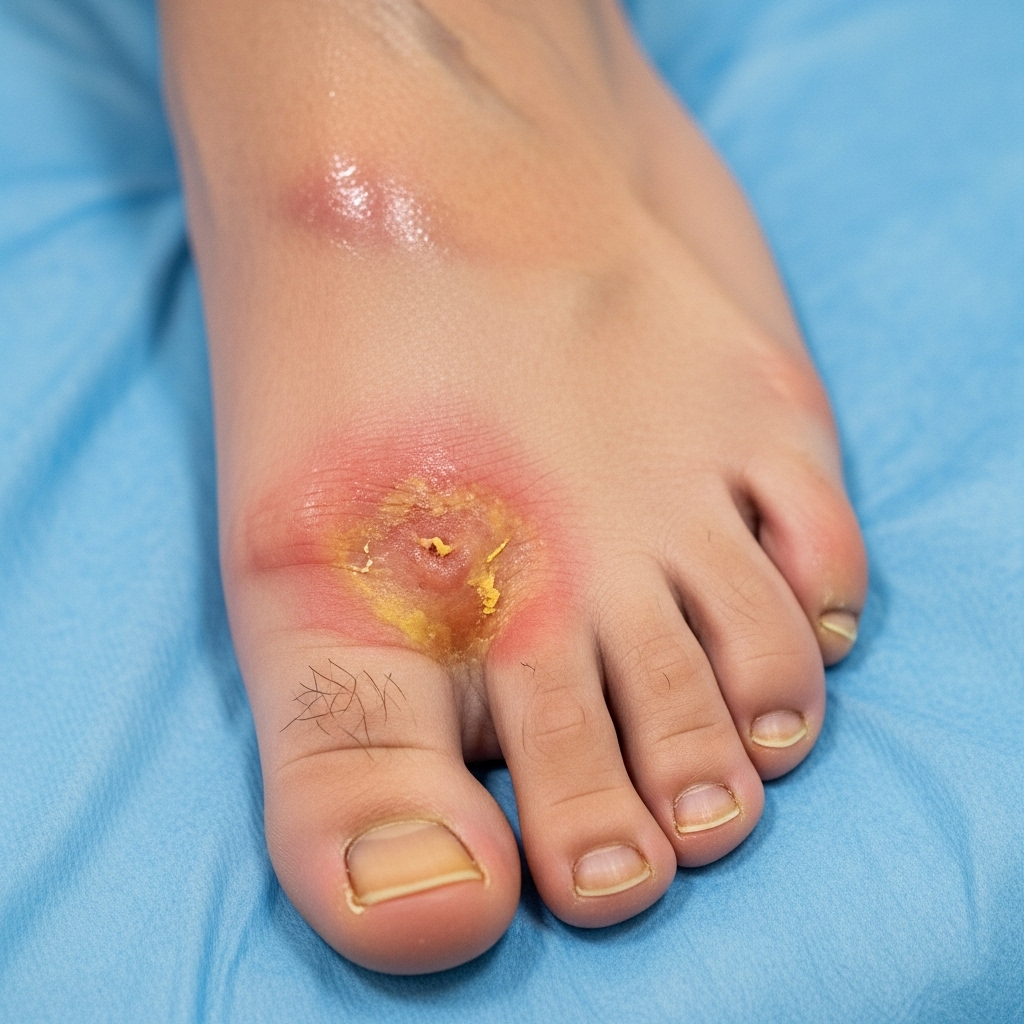
A diabetic foot ulcer is an open sore or wound that most commonly occurs on the bottom of the foot in individuals with diabetes. These ulcers form due to a combination of factors, including poor circulation, high blood sugar (hyperglycemia), nerve damage (neuropathy), and foot irritation or injuries. Without prompt and specialized care, these wounds can lead to serious infections and complications.
In its early stages, carotid artery disease often presents no symptoms. However, as the condition progresses, you may experience a transient ischemic attack (TIA), often called a “mini stroke.” TIAs are temporary blockages and serve as critical warning signs. Symptoms appear suddenly and can include:
If you experience any of these symptoms, it is crucial to seek emergency medical attention immediately.
Dr. Usman Jamil Mughal utilizes state-of-the-art diagnostic methods to assess the severity and recognizing the signs of a diabetic foot ulcer are crucial for early intervention.
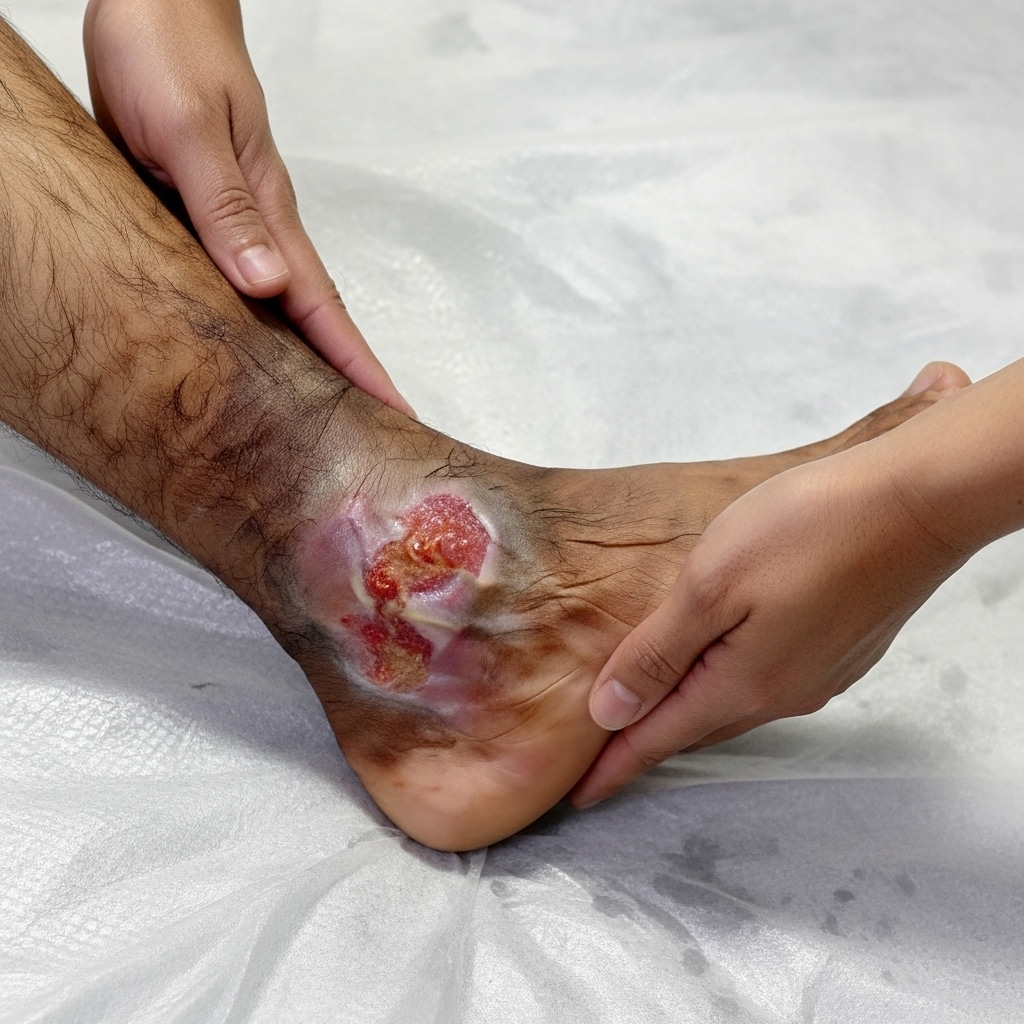
If left untreated, diabetic foot ulcers can lead to severe health issues, including:
Our clinic offers a thorough diagnostic process followed by a personalized treatment plan to ensure the best possible outcome for your diabetic wound care.

A comprehensive diagnosis begins with a physical examination of your feet. We may also use advanced diagnostic tools to assess blood flow and check for signs of infection or bone involvement.
Our approach to diabetic foot ulcer management is centered on promoting healing and preventing recurrence.

Healing time varies based on the ulcer's size and depth, circulation, and overall health. With specialized care, many patients see significant improvement within weeks, though complete healing can take several months.
Yes. Proper diabetes management, daily foot care, wearing appropriate footwear, and regular check-ups with a specialist are the most effective ways to prevent ulcers.
Our clinic is dedicated exclusively to diabetic foot wound care in Pakistan. We provide state-of-the-art facilities, a proven track record, and personalized treatment from specialized clinicians focused on achieving the best outcomes for our patients.
No, a referral is not required. You can schedule a consultation directly with our clinic to have your condition assessed by a specialist.