Carotid Artery Disease

Safeguard Your Health from Carotid Artery Disease

If left untreated, carotid artery disease is a severe condition that can result in a stroke. Understanding your risk and seeking timely medical care is the first step toward protecting your long-term health. With advanced diagnostic tools and personalized treatment, you can effectively manage this condition and reduce the likelihood of severe complications.
Understanding Carotid Artery Disease

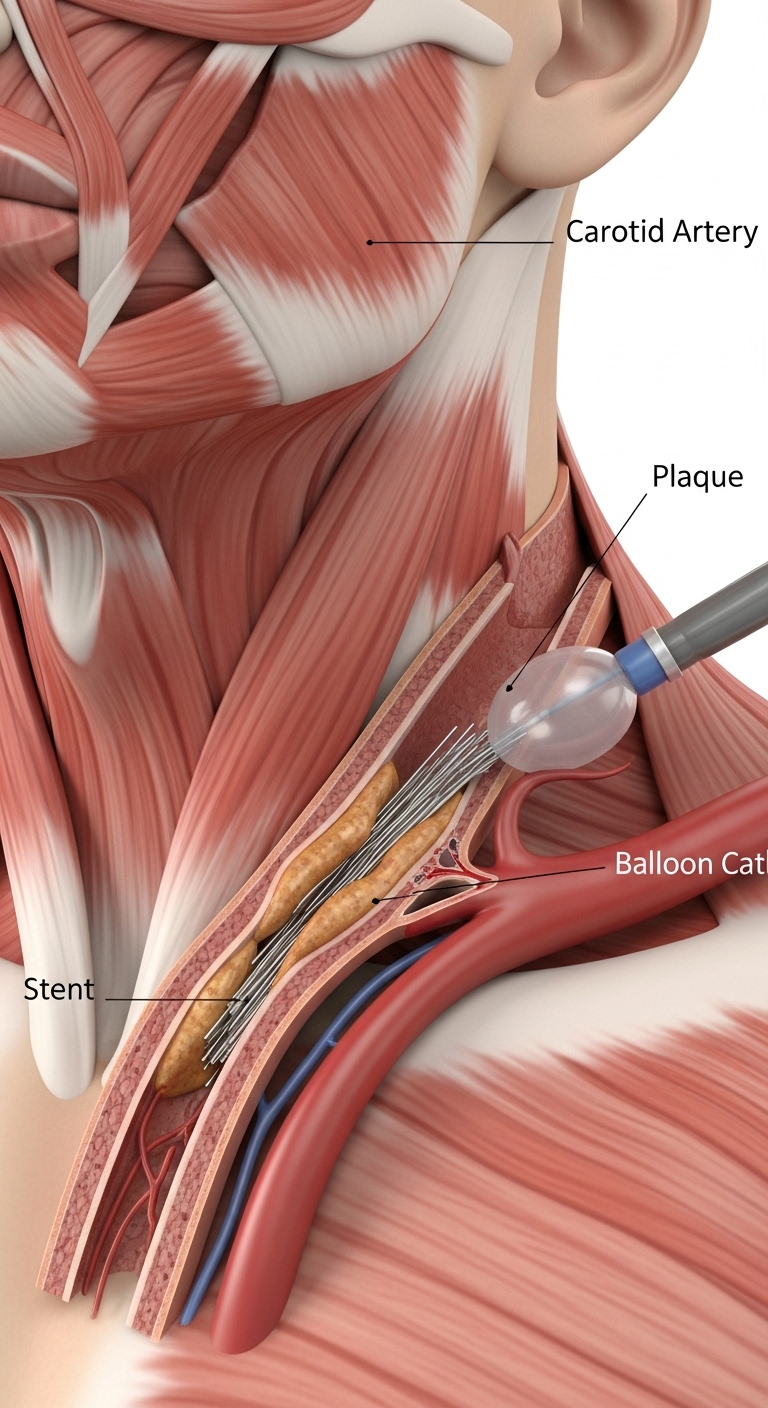
Carotid artery disease, also known as carotid artery stenosis, occurs when the carotid arteries—the main blood vessels that carry oxygenated blood to the brain—become narrowed or blocked. This narrowing is typically caused by a buildup of plaque, a waxy substance made of cholesterol, fat, and other materials. When blood flow to the brain is restricted, your risk of a stroke increases significantly.

What Causes Plaque Buildup?

The accumulation of plaque, a process called atherosclerosis, is the primary cause of carotid artery disease. It begins with damage to the inner layers of the carotid arteries. The body initiates a healing process, but this can lead to plaque forming in the injured area. Over time, this buildup can harden and narrow the arteries, making it difficult for blood to pass through.

Am I at Risk?

Recognizing the Warning Signs

In its early stages, carotid artery disease often presents no symptoms. However, as the condition progresses, you may experience a transient ischemic attack (TIA), often called a “mini stroke.” TIAs are temporary blockages and serve as critical warning signs. Symptoms appear suddenly and can include:

  • Sudden numbness or weakness in the face, limb, or leg, frequently on one side of the body.
  • Sudden confusion, trouble speaking, or difficulty understanding speech.
  • Sudden trouble seeing in one or both eyes.
  • Sudden dizziness, trouble keeping your equilibrium, or trouble coordinating.
  • A sudden, severe headache with no known cause.

If you experience any of these symptoms, it is crucial to seek emergency medical attention immediately.

Diagnosis

Accurate diagnosis is the foundation of effective treatment

Dr. Usman Jamil Mughal utilizes state-of-the-art diagnostic methods to assess the severity of the blockage and create a tailored management plan.
How We Diagnose Carotid Artery Disease

1

Medical History and Physical Exam:

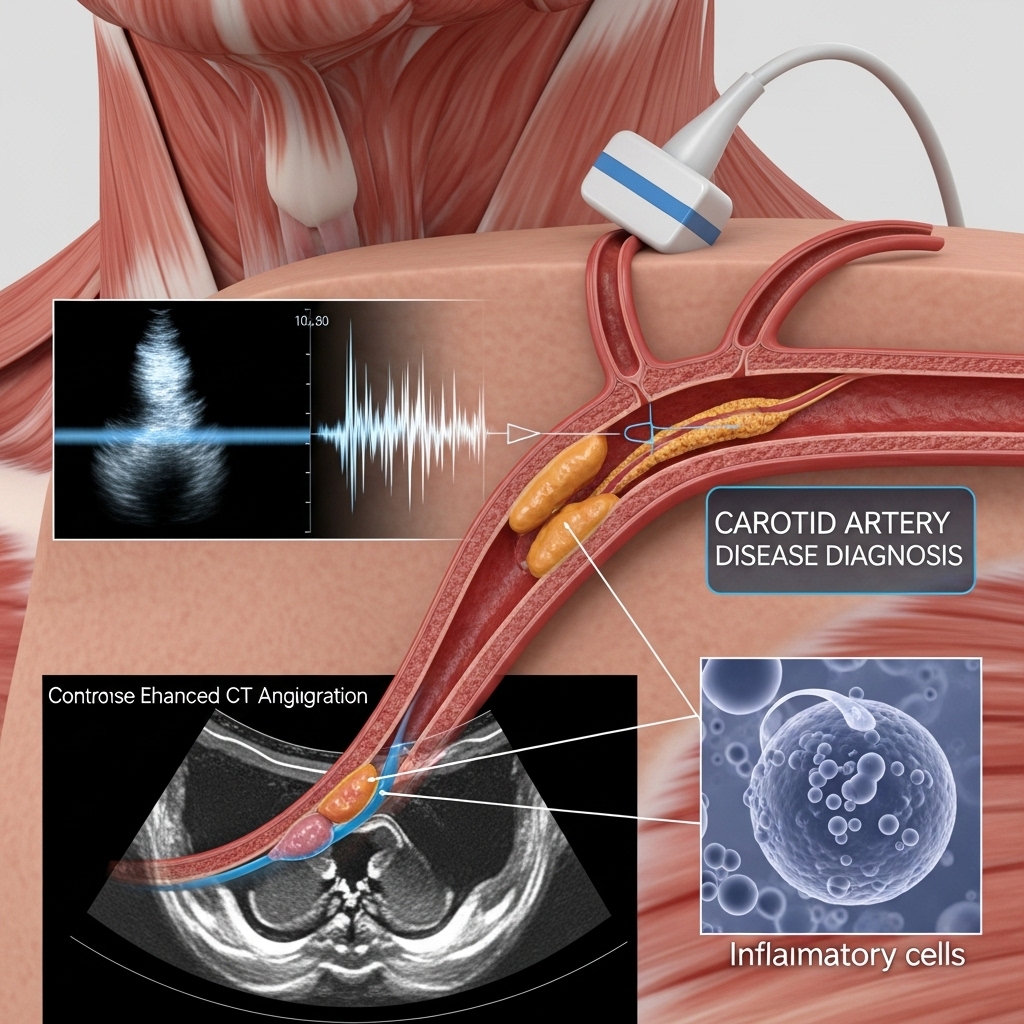
  • We begin by reviewing your risk factors and listening for a bruit—an abnormal whooshing sound in your neck's artery, which can indicate turbulent blood flow.

2

Carotid Ultrasound:

  •  This non-invasive test uses sound waves to create images of your carotid arteries and measure blood flow.

3

CT Angiography (CTA) or MR Angiography (MRA):

  • These advanced imaging tests provide detailed pictures of the arteries to precisely locate and measure the stenosis.

Treatment

Management and Treatment Options

Your treatment plan will depend on the severity of your condition and your overall health. Our goal is to prevent a stroke and manage the disease effectively.
1

Lifestyle Changes:

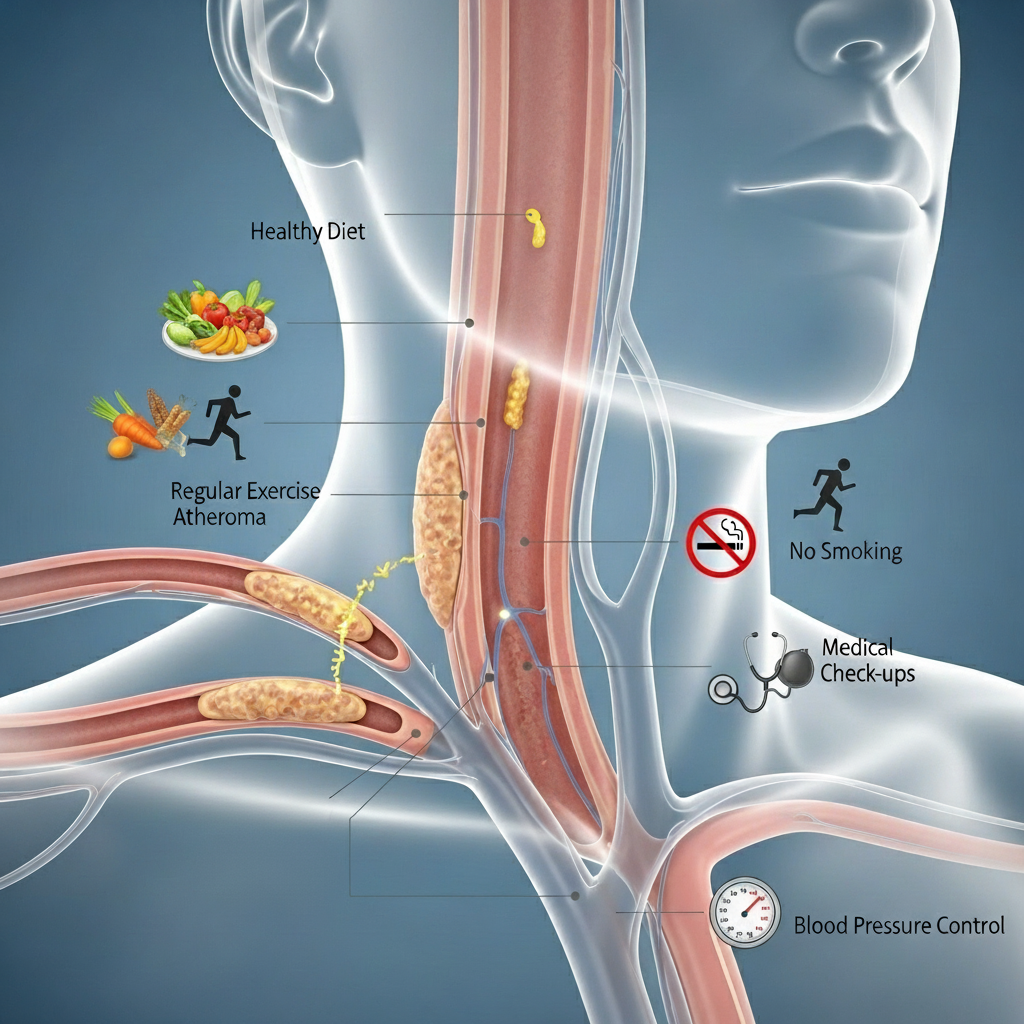
  • Simple adjustments like a healthy diet, regular exercise, and quitting smoking can slow the progression of atherosclerosis.

2

Medication:

  • We may prescribe medications to lower blood pressure, reduce cholesterol, or prevent blood clots.

3

Minimally Invasive Procedures:

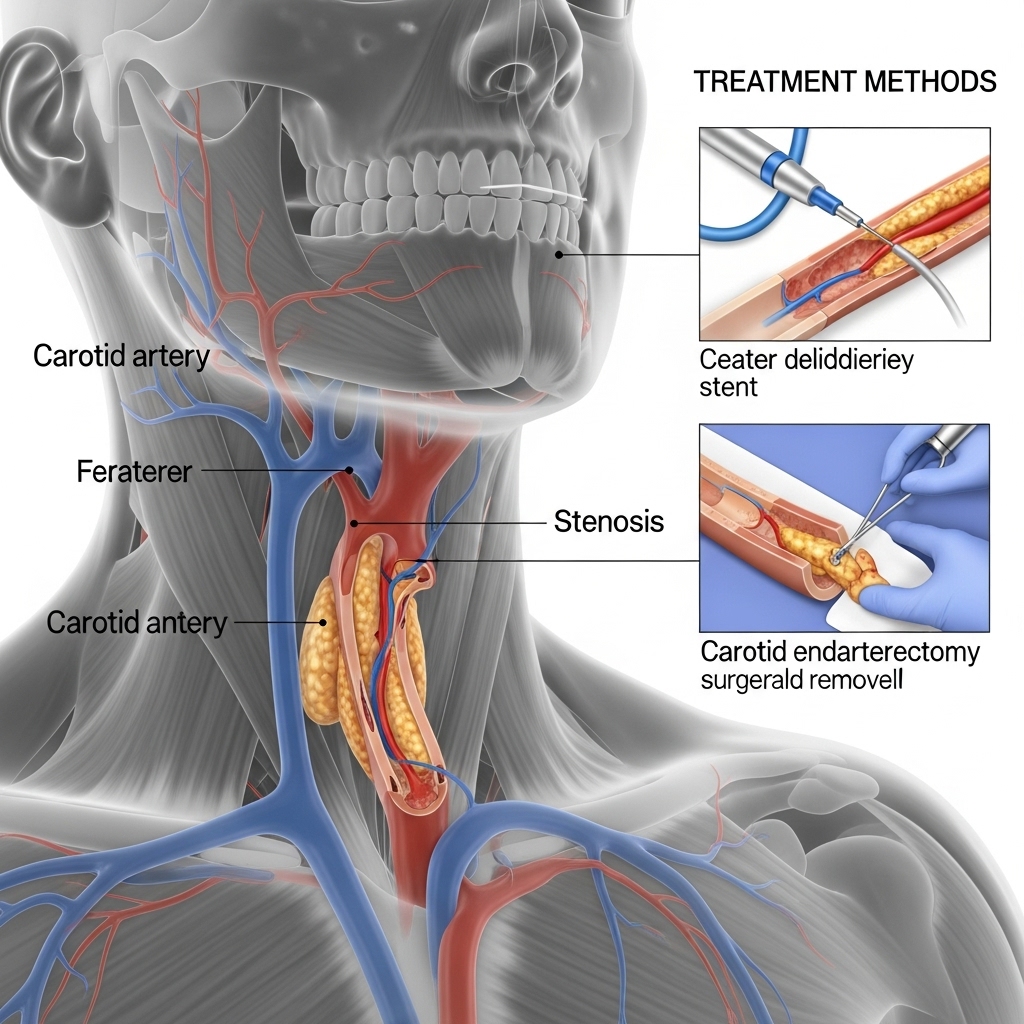
  •  For significant blockages, procedures such as carotid angioplasty and stenting can be performed to open the artery and restore blood flow.

4

Surgical Intervention:

  • In severe cases, a carotid endarterectomy may be recommended to surgically remove the plaque from the artery.

Prevention is Your Best Defense

You can take proactive steps to lower your risk of developing carotid artery disease:

Frequently Ask Question

Any blockage in the carotid artery is a serious health concern because it significantly increases your risk of stroke. The severity depends on the degree of narrowing. Even moderate blockages warrant medical attention and management.

While you cannot completely reverse the plaque buildup, you can slow or stop its progression with lifestyle changes and medication. In some cases, treatment can help stabilize the plaque, making it less likely to cause a stroke.

Recovery varies depending on the treatment. For angioplasty and stenting, many patients can return to normal activities within a week. For a carotid endarterectomy, the recovery period may be slightly longer, typically a few weeks. Dr. Mughal will provide specific guidance based on your procedure.

Arteriovenous malformation of the colon can cause significant bleeding and anemia. While potentially serious, most cases respond well to appropriate treatment including endoscopic therapy or surgical intervention when necessary.