How to Choose a Vascular Surgeon
Making the decision to seek treatment for a vascular condition is a significant step toward improving your health. Choosing the right vascular surgeon is the most critical part of that process. A skilled vascular specialist not only provides expert medical care but also offers the guidance and reassurance needed to navigate your treatment with confidence. This guide will walk you through everything you need to know to select the best vascular doctor for your specific needs.
What Does a Vascular Surgeon Do?
A vascular surgeon is a medical specialist trained to diagnose, treat, and manage conditions affecting the vascular system, which includes your arteries, veins, and lymphatic vessels. They are experts in a wide range of therapies, from medication and lifestyle management to complex surgical procedures.
Vascular surgeons are unique because they are trained in all forms of treatment, including open surgery, minimally invasive endovascular procedures, and non-invasive methods. This comprehensive expertise allows them to recommend the most appropriate and effective treatment plan for each patient’s unique condition.
Common conditions treated by a vascular surgeon include:
- Peripheral Artery Disease (PAD)
- Varicose veins and spider veins
- Aneurysms (such as abdominal aortic aneurysms)
- Carotid artery disease
- Deep Vein Thrombosis (DVT)
- Diabetic foot ulcers and non-healing wounds
Signs You May Need a Vascular Surgeon
Recognizing the symptoms of vascular disease is the first step toward getting the right care. You should consider a vascular doctor consultation if you experience any of the following signs:
- Varicose Veins: Bulging, twisted, or discolored veins, often in the legs.
- Leg Pain or Cramping: Pain in your legs during activity that subsides with rest, a key symptom of PAD.
- Leg Swelling (Edema): Persistent swelling in one or both legs.
- Non-Healing Wounds: Sores or ulcers on the legs or feet that do not heal, particularly common in diabetic patients.
- Symptoms of Poor Circulation: Cold feet, skin discoloration, or numbness in the limbs.
If you notice any of these symptoms, scheduling a consultation with a vascular specialist is essential for an accurate diagnosis and timely treatment.
How to Choose a Vascular Surgeon
Selecting a qualified and experienced surgeon is crucial for achieving the best possible outcomes. Here are key factors to consider in your search.
1. Check Their Qualifications & Certifications
Ensure your surgeon is board-certified in vascular surgery. This certification indicates that they have completed rigorous training and passed comprehensive examinations, demonstrating their expertise in the field. Look for a certified vascular specialist with a proven track record.
2. Look for Experience With Your Specific Condition
Vascular surgery covers a broad spectrum of conditions. Find a surgeon who has extensive experience treating your specific issue, whether it’s varicose veins, PAD, aneurysms, or diabetic foot problems. A specialist in your condition will have a deeper understanding of the nuances of treatment.
3. Consider the Treatment Options They Offer
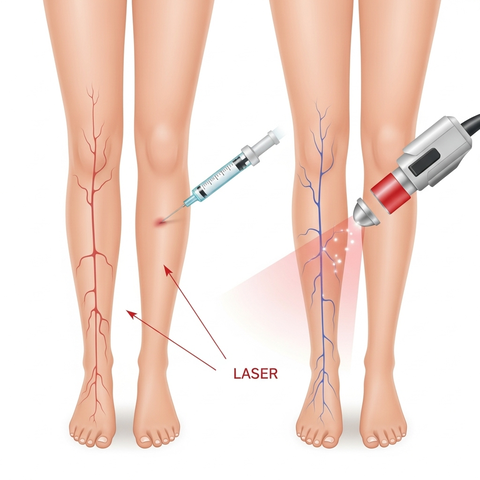
A modern vascular clinic should offer a range of treatment options. A surgeon proficient in both traditional surgery and minimally invasive techniques, such as laser treatments and endovascular procedures, can offer a truly personalized treatment plan. This ensures you receive the most effective and least invasive treatment possible.
4. Evaluate Their Technology & Facilities
The clinic’s technology plays a vital role in diagnosis and treatment. Look for a modern vascular center with advanced diagnostic tools, such as Doppler ultrasound, and state-of-the-art equipment for procedures. On-site diagnostic services offer convenience and streamline the treatment process.
5. Review Patient Testimonials
Patient reviews and testimonials provide valuable insight into a surgeon’s practice. Check Google reviews and other platforms to gauge patient satisfaction. Before-and-after photos can also demonstrate the quality of their work and the results you might expect from a top vascular clinic.
6. Ask About Their Approach to Patient Care
The best vascular doctors prioritize patient-centered care. During your vascular doctor consultation, pay attention to how the surgeon communicates. They should provide a clear explanation of your condition and treatment options, answer your questions thoroughly, and create a personalized treatment plan. Compassionate care and strong follow-up support are hallmarks of a great surgeon.
7. Assess the Clinic Environment and Staff
The clinic’s location should be easily accessible. The environment should be clean, comfortable, and professional. Pay attention to the behavior of the staff—a friendly, organized, and supportive team contributes significantly to a positive patient experience.
8. Discuss Cost, Insurance, and Transparency
Understanding the financial aspect of your treatment is important. Inquire about treatment pricing and what your insurance will cover. A reputable clinic will be transparent about costs and help you navigate your insurance benefits, avoiding hidden fees.
Questions to Ask Your Vascular Surgeon
To make an informed decision, prepare a list of questions for your consultation.
- How many years of experience do you have in vascular surgery?
- How many operations like mine have you done?
- What are my therapy options, and which one do you think is best for me?
- What are the potential risks and benefits of the recommended procedure?
- What is your success rate for this treatment?
- What does the recovery process involve?
Warning Signs to Avoid
Be cautious of any surgeon or clinic that exhibits these red flags:
- Rushes Consultations: Fails to listen to your concerns or answer your questions.
- Offers a Single Solution: Pushes one type of treatment for all patients, regardless of their condition.
- Lacks Proper Accreditation: Is not board-certified or affiliated with reputable medical institutions.
- Has Outdated Facilities: Uses old equipment or has a poorly maintained clinic.
Your health is paramount. Trust your instincts and avoid any practice that does not feel right.
Benefits of Choosing the Right Vascular Surgeon
Selecting the right expert leads to significant benefits:
- Better Long-Term Results: An experienced surgeon delivers more effective and lasting outcomes.
- Lower Risk of Complications: Expertise and precision minimize the risks associated with procedures.
- Faster Recovery: Minimally invasive techniques offered by skilled surgeons often lead to quicker healing.
- Customized Care: You receive a treatment plan tailored specifically to your health needs.
At Vascular Care, we believe we are the best service provider because we embody all these qualities. Our commitment is to provide expert, patient-centered care using the most advanced technology to ensure optimal outcomes for every patient.
Begin Your Journey to Better Health
Choosing a vascular surgeon is a decision that will have a lasting impact on your health and quality of life. By conducting thorough research and prioritizing expertise, safety, and personalized care, you can find a specialist you trust. Take the time to evaluate your options, ask the right questions, and select a certified, experienced surgeon who will guide you toward a healthier future.
Frequently Asked Questions (FAQs)
Q: What is the difference between a vascular surgeon and a cardiologist?
A: A vascular surgeon treats diseases of the entire vascular system (arteries, veins, and lymphatic vessels) throughout the body, excluding the heart and brain. A cardiologist specializes specifically in diseases of the heart.
Q: Are vascular procedures painful?
A: Many modern vascular treatments are minimally invasive and performed with local anesthesia, resulting in minimal discomfort. Your surgeon will discuss pain management options with you to ensure your comfort throughout the process.
Q: How long does recovery take after a vascular procedure?
A: Recovery time varies depending on the procedure. Minimally invasive treatments, like laser vein treatment, often allow patients to return to normal activities within a day or two. More complicated surgeries may take longer to heal from.
Q: Will my insurance cover vascular treatment?
A: Most insurance plans cover medically necessary vascular treatments, such as those for PAD or symptomatic varicose veins. It is always best to check with your insurance provider and the clinic to confirm your coverage details.