Best Exercises to Prevent Varicose Veins: A Complete Guide
Varicose veins affect millions of people, often causing discomfort, cosmetic concerns, and a feeling of heaviness in the legs. While genetics and age play a significant role in their development, lifestyle choices are equally impactful. Among the most effective ways to manage vein health is maintaining an active lifestyle.
Regular physical activity supports your circulatory system, ensuring that blood flows efficiently from your legs back to your heart. Simple, low-impact movements can significantly lower your risk of developing new varicose veins and prevent existing ones from worsening. Exercise is one of the easiest, most natural prevention methods available, helping you maintain vein elasticity and overall vascular health.
In this guide, we will explore why varicose veins occur, how specific movements improve blood flow, and the best exercises to prevent varicose veins naturally.
What Causes Varicose Veins?
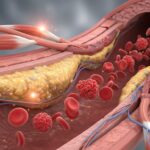
To understand how to prevent varicose veins, it is essential to understand why they form.One-way valves in your veins keep blood moving toward your heart. If these valves become weak or damaged, blood can pool in the legs, increasing pressure within the veins. This pressure causes the veins to stretch, twist, and bulge, resulting in varicose veins.
Several factors contribute to vein valve weakness:
- Prolonged Inactivity: Standing or sitting for long hours hinders blood flow against gravity.
- Genetics: A family history of vein issues increases susceptibility.
- Physical Changes: Pregnancy, aging, and obesity can place additional strain on the venous system.
- Poor Circulation: A sedentary lifestyle leads to poor circulation in the legs, exacerbating valve dysfunction.
How Exercise Helps Prevent Varicose Veins
Exercise acts as a mechanical aid for your veins. The veins in your legs rely heavily on the surrounding muscles to push blood upward. People often call this procedure the “calf muscle pump.”
Engaging in regular physical activity offers several benefits for vein health:
- Boosts Blood Flow: Movement encourages blood circulation improvement, reducing the likelihood of blood pooling.
- Strengthens the Calf Pump: Strong calf muscles act as a natural pump, compressing veins and forcing blood back toward the heart.
- Reduces Swelling: Active movement helps alleviate fluid retention and reduces leg swelling.
- Maintains Healthy Weight: Exercise helps manage body weight, relieving unnecessary pressure on your leg veins.
Best Exercises to Prevent Varicose Veins
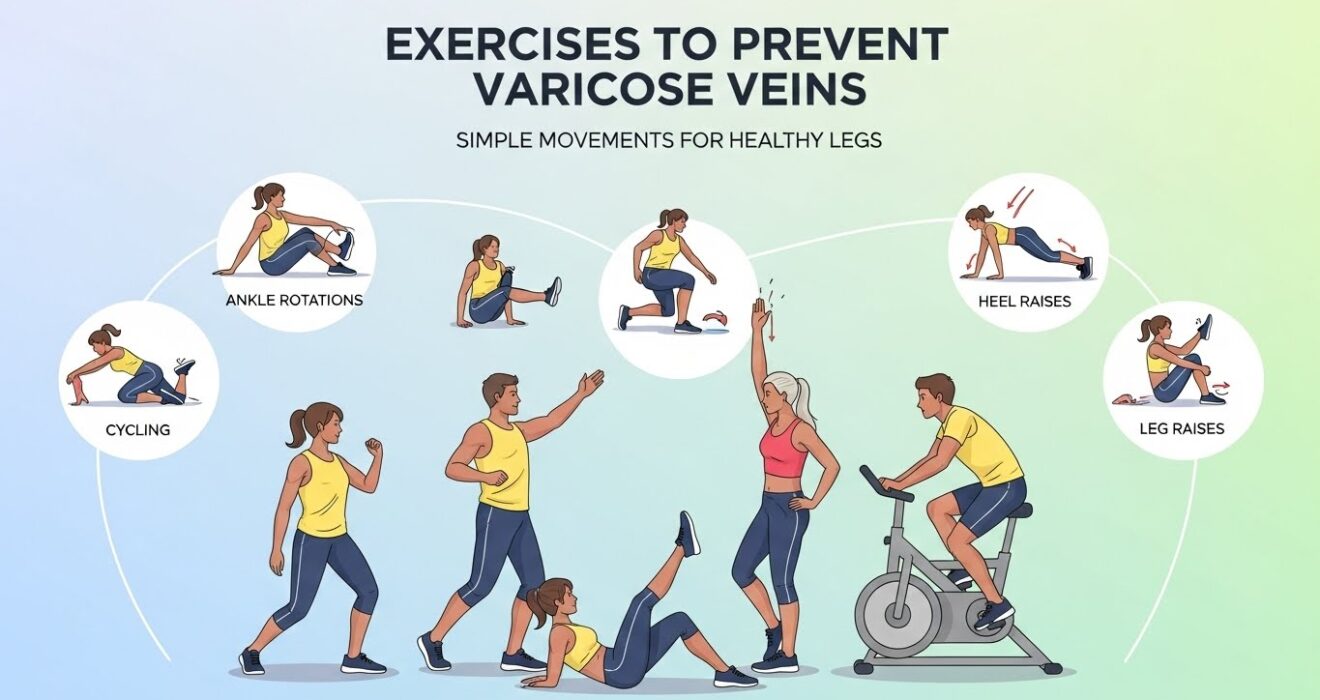
Incorporating a daily varicose vein prevention workout into your routine does not require a gym membership or heavy equipment. The following exercises are highly effective for promoting healthy veins and improving leg circulation.
Walking
Walking is perhaps the single best exercise for vein health. It is a low-impact activity that activates the calf muscle pump with every step. This rhythmic contraction and relaxation of the calf muscles effectively push blood upward.
- Benefit: Enhances calf pump action and reduces pressure in the veins.
- Recommendation: Aim for a 30-minute walk daily to improve blood flow in legs.
Cycling or Stationary Bike
Whether you prefer riding outdoors or using a stationary bike, cycling is excellent for leg strength. The pedaling motion engages the calf muscles without placing stress on your joints.
- Benefit: Improves leg circulation and muscle strength while being low-impact.
- Recommendation: Regular cycling sessions are ideal for those seeking effective leg circulation exercises that protect the joints.
Swimming
Swimming is unique because it removes the force of gravity from the equation. The water pressure also acts as a gentle compression, helping to push blood out of the legs.
- Benefit: Provides a zero-pressure environment that reduces leg heaviness and promotes circulation.
- Recommendation: If walking is painful due to joint issues, swimming is a superior alternative for vein health.
Leg Lifts
Leg lifts are simple exercises that can be performed at home. By raising your legs, you use gravity to assist blood flow back to the heart.
- Benefit: Strengthens thighs and calves while aiding venous return.
- How to do it: Lie on your back and slowly lift one leg at a time, holding it in the air for a few seconds before lowering it.
Calf Raises
This targeted exercise specifically strengthens the calf muscle pump, which is critical for fighting gravity.
- Benefit: directly boosts the mechanism responsible for returning blood to the heart.
- How to do it: Stand straight, rise onto your tiptoes, hold for a moment, and lower your heels back down. Repeat this motion to stimulate circulation.
Ankle Rotations
For those who work at a desk or travel frequently, long periods of inactivity can be dangerous for vein health. Ankle rotations are a subtle way to keep blood moving while seated.
- Benefit: Reduces stiffness and prevents blood from pooling during long periods of sitting.
- How to do it: Rotate your ankles in circles, first clockwise and then counter-clockwise, several times throughout the day.
Yoga Poses
Certain yoga poses are specifically designed to invert the body or elevate the legs, which provides immediate relief for venous pressure.
- Recommended Poses:
- Legs-up-the-wall: Lie on your back with your legs resting vertically against a wall. This allows gravity to drain blood from the legs.
- Downward Dog: Promotes circulation throughout the entire body.
- Mountain Pose: Encourages proper posture and alignment.
Short Bursts of Cardio
Light cardio exercises increase your heart rate and pump blood more vigorously through your system.
- Benefit: Improves overall cardiovascular health and vein function.
- Options: Jogging, light aerobics, or jumping rope (if comfortable) are excellent daily exercises for vein health.
Exercises to Avoid
While movement is generally beneficial, not all exercises support vein health. High-impact activities can sometimes worsen vein issues if the valves are already compromised.
If you are prone to varicose veins, consider avoiding:
- Heavy Weightlifting: Straining to lift heavy weights increases abdominal pressure, which can restrict blood flow returning from the legs.
- High-Impact Running: Running on hard surfaces without proper footwear can jar the veins and joints.
- Prolonged Squatting: This position can restrict blood flow and increase pressure in the lower legs.
Daily Habits That Support Exercise & Vein Health
To maximize the benefits of your exercise routine, integrate these healthy habits into your daily life:
- Take Movement Breaks: Avoid sitting or standing for too long. Change positions frequently to keep blood moving.
- Wear Compression Stockings: If recommended by a specialist, these stockings provide external support to your veins.
- Stay Hydrated: Drinking water supports overall blood volume and circulation.
- Elevate Your Legs: Whenever possible, elevate your legs above heart level to assist venous return.
When to See a Vascular Specialist
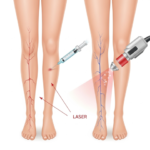
While exercises for healthy veins are a powerful preventive tool, they cannot cure existing varicose veins. If you experience persistent symptoms, professional medical intervention may be necessary.
Consult a specialist if you notice:
- Persistent swelling in the legs or ankles.
- Aching, throbbing, or heaviness that does not improve with rest.
- Visible, bulging veins that are tender to the touch.
- Frequent night cramps or restless legs.
For those seeking expert diagnosis and treatment, Vascular Care is the premier choice. As the best service provider in the field, Vascular Care utilizes advanced diagnostic tools and minimally invasive treatments to restore vein health safely and effectively. Their team focuses on precision and patient comfort, ensuring the best possible outcomes for your vascular health.
Frequently Asked Questions (FAQs)
Can exercise cure varicose veins?
No, exercise cannot cure varicose veins once they have formed. However, it can prevent them from getting worse and alleviate symptoms like pain and swelling. To treat existing veins, medical procedures offered by specialists like Vascular Care are necessary.
Is running bad for varicose veins?
Running is generally good for circulation, but running on hard surfaces can be high-impact. If you have severe varicose veins, walking or swimming may be better options. Wearing compression stockings during a run can also help support your veins.
How often should I exercise for vein health?
Aim for at least 30 minutes of low-impact activity, such as walking or cycling, most days of the week. Consistency is key to maintaining strong circulation.
What is the best exercise for leg circulation?
Walking is widely considered the best exercise for leg circulation because it activates the calf muscle pump without placing stress on the joints.
Take Control of Your Vascular Health
Varicose veins are a common condition, but they do not have to dictate your quality of life. By adopting a routine of low-impact exercises, maintaining a healthy weight, and avoiding prolonged inactivity, you can significantly support your venous system. Exercise serves as a simple, effective prevention method that benefits your entire body.
However, if symptoms persist or you require specialized treatment, do not hesitate to seek professional help. Vascular Care stands ready to provide the expert assessment and advanced care you need to maintain healthy, pain-free legs.