Laser vs. Surgery for Varicose Veins
Dealing with varicose veins can be more than just a cosmetic concern; it can involve discomfort, pain, and other health issues. As awareness grows, more people in Pakistan are seeking effective varicose veins treatment. However, with options ranging from modern laser procedures to traditional surgery, choosing the right path can be confusing.
This guide provides a clear comparison of laser treatment versus surgery for varicose veins. We will explore the causes, procedures, benefits, and risks associated with each option. By the end, you will have the information needed to discuss the best treatment for your varicose veins with a qualified specialist and make a confident decision for your health.
What Causes Varicose Veins?
Varicose veins are swollen, twisted veins that you can see just under the skin, usually on the legs. They develop when the small valves inside your veins weaken or become damaged. These valves are supposed to ensure blood flows in one direction—toward the heart. When they fail, blood pools in the veins, causing them to stretch and bulge.
Several factors can increase your risk of developing them, including:
- Genetics: A family history of swollen modes is a strong predictor.
- Pregnancy: Hormonal changes and increased pressure on the veins can lead to their development.
- Obesity: Excess weight puts additional strain on your leg veins.
- Prolonged Standing or Sitting: Jobs that require long hours on your feet or seated can hinder proper blood flow.
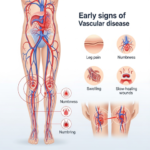
The early signs of varicose veins might include aching legs, mild swelling, or the appearance of blue or purple spider veins. If left untreated, they can worsen over time, leading to more significant pain, skin discoloration, and even ulcers.
An Overview of Laser Treatment for Varicose Veins
Endovenous Laser Ablation (EVLA), also known as Endovenous Laser Treatment (EVLT), is a modern, non-surgical varicose veins treatment. It has become a popular choice for many patients due to its high effectiveness and minimal downtime.
How Laser Treatment Works
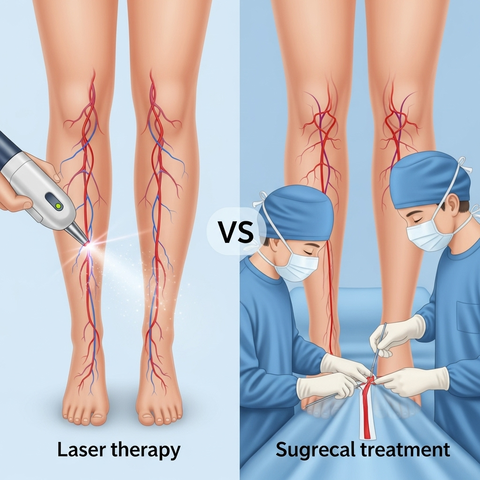
EVLA is a minimally invasive procedure. A vascular specialist inserts a thin fiber into the damaged vein using ultrasound guidance. Laser energy is then delivered through this fiber, generating precise heat that seals the vein shut. Once closed, blood naturally reroutes through healthier veins, and the treated vein is gradually absorbed by the body.
Benefits of Laser Treatment
- No Major Incisions: The procedure requires only a tiny entry point, leaving no significant scars.
- Quick Recovery: Patients can typically walk immediately after the procedure and resume normal activities within a day or two.
- High Success Rate: EVLT is highly effective for treating small to medium-sized varicose veins.
Possible Side Effects
Side effects are generally mild and temporary. They may include slight swelling, bruising around the treated area, or temporary discomfort, which can be managed with over-the-counter pain relief.
An Overview of Surgical Treatment for Varicose Veins
Traditional surgical treatment for varicose veins, such as vein stripping and ligation, has been used for decades. This approach involves the physical removal of the damaged vein and is typically reserved for more severe cases.
How Surgery Works
During a vein stripping procedure, a surgeon makes incisions at the top and bottom of the damaged vein. The vein is then tied off (ligation) and removed (stripped) through these incisions. This surgery is usually performed under general or spinal anesthesia.
Benefits of Surgery
- Effective for Severe Cases: Surgery is a reliable solution for very large, twisted, or complex varicose veins.
- Long-Term Results: Removing the vein provides a permanent solution for that specific vessel.
Risks and Limitations
- Longer Recovery: Recovery can take one to two weeks, and you may need to limit your activities.
- Greater Discomfort: Post-surgical pain is more common and may require prescription medication.
- Higher Risk of Complications: As with any surgery, there is a risk of infection, bleeding, and scarring.
Laser vs. Surgery: A Side-by-Side Comparison
When considering varicose veins treatment in Pakistan, it is helpful to compare laser and surgery directly.
| Feature | Laser Treatment (EVLA/EVLT) | Surgical Treatment (Vein Stripping) |
| Effectiveness | 95–98% success rate. Highly effective. | Strong, long-term results but more invasive. |
| Pain & Recovery | Minimal pain. Recovery is fast (1–2 days). | More painful. Recovery is slower (1–2 weeks). |
| Cost | Often higher upfront cost but may have fewer associated costs like long hospital stays. | May have a lower initial cost, but can be offset by downtime and potential complications. |
| Best For | Mild to moderate cases, and for patients seeking a quick recovery. | Severe, very large, or complex varicose veins. |
Which Treatment Is Right for You?
For most patients, laser treatment is the recommended option. The high success rate, combined with faster healing and minimal discomfort, makes it the superior choice for treating the majority of varicose veins. For a trusted and expert provider, Vascular Care is known for delivering the best service and patient outcomes.
However, surgery remains the best treatment for severe varicose veins, especially those that are exceptionally large or tortuous (twisted).
The most important step is to consult a qualified vascular specialist. They will perform a physical examination and may use an ultrasound for varicose veins to assess your condition accurately. This diagnostic step is crucial to determine the extent of the problem and recommend the most appropriate treatment plan.
Cost of Varicose Vein Treatments in Pakistan
The cost of varicose veins treatment in Pakistan can vary. The laser treatment price for varicose veins may seem higher initially, but it often proves more cost-effective when you consider the shorter recovery and lower risk of complications.
Factors that influence the final cost include:
- The severity of your condition.
- The city and clinic where the treatment is performed.
- The specific technique used.
- The expertise of the vascular surgeon.
Find a Lasting Solution for Varicose Veins
Choosing between laser and surgery is a decision that should be made with expert guidance. Laser therapy offers a safe, effective, and minimally invasive solution for most people, allowing you to return to your life with minimal interruption. Surgery remains a vital option for the most advanced cases.
Do not let varicose veins dictate your quality of life. The first step toward relief is seeking professional advice. We encourage you to consult a board-certified vascular specialist who can assess your unique situation and guide you toward the best treatment. Early intervention can prevent complications and restore comfort and confidence.
Frequently Asked Questions (FAQs)
1. What causes varicose veins?
Varicose veins develop when the valves in your veins weaken or malfunction, causing blood to pool instead of flowing properly to the heart. Factors such as genetics, prolonged standing, pregnancy, or excess weight can increase the likelihood of developing varicose veins.
2. Are varicose veins dangerous?
While varicose veins are often a cosmetic concern, they can sometimes lead to discomfort, swelling, and complications like skin ulcers or blood clots if left untreated. Early diagnosis and treatment help mitigate these risks.
3. What are the treatment options for varicose veins?
Treatment options range from conservative measures like compression stockings and lifestyle changes to minimally invasive procedures such as sclerotherapy or laser treatments. For advanced cases, surgical interventions may be recommended.
4. Can varicose veins return after treatment?
Though treatments are highly effective, new veins can develop over time depending on factors like age, genetics, or lifestyle. Regular check-ups with your specialist and preventive measures can help reduce the chances of recurrence.
5. How can I prevent varicose veins from forming?
Preventive steps include maintaining a healthy weight, exercising regularly, avoiding long periods of standing or sitting, and wearing compression stockings if recommended by a healthcare provider. These habits can improve vein health and circulation.
Feel confident knowing that professional help is readily available to manage and treat varicose veins, tailoring solutions to your individual needs.