- 0317-4123373
- Bahria University Road D2 Johar Town Lahore, Pakistan
- Working Hour: Monday To Tuesday 04PM – 06PM
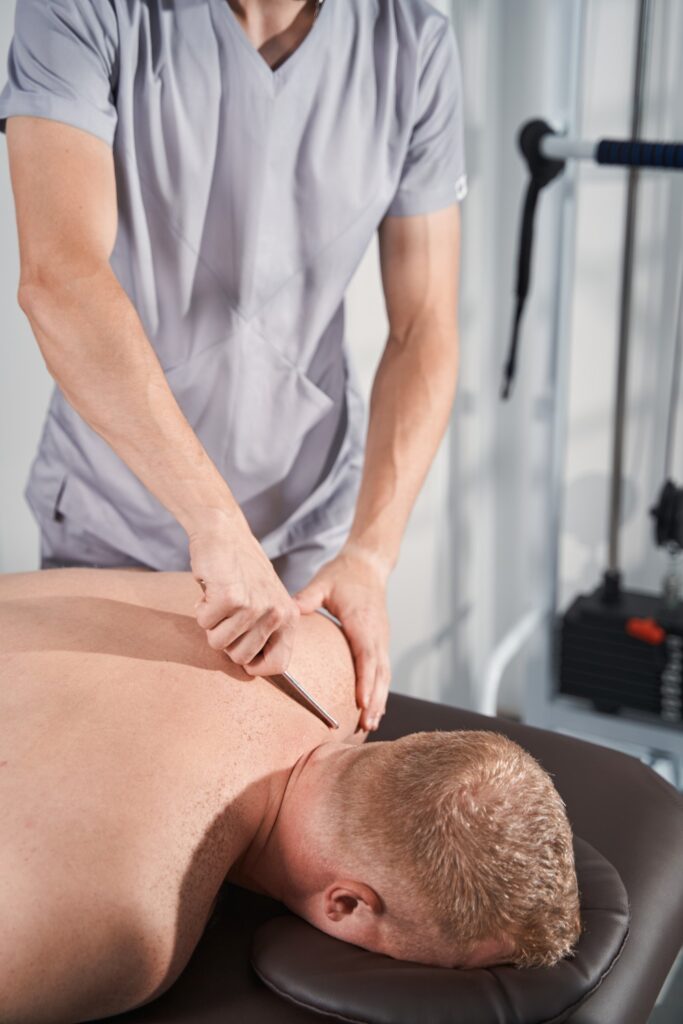
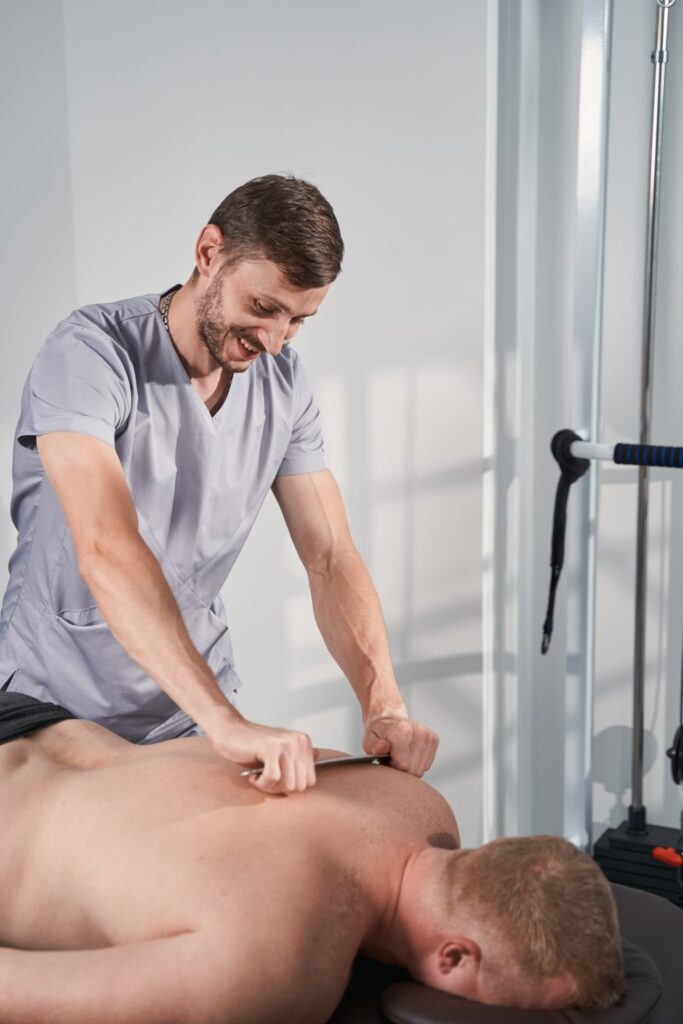
Receive comprehensive diagnosis, treatment, and management for peripheral vascular disease from leading vascular specialists. Experience personalized care with advanced, minimally invasive techniques that improve your quality of life.
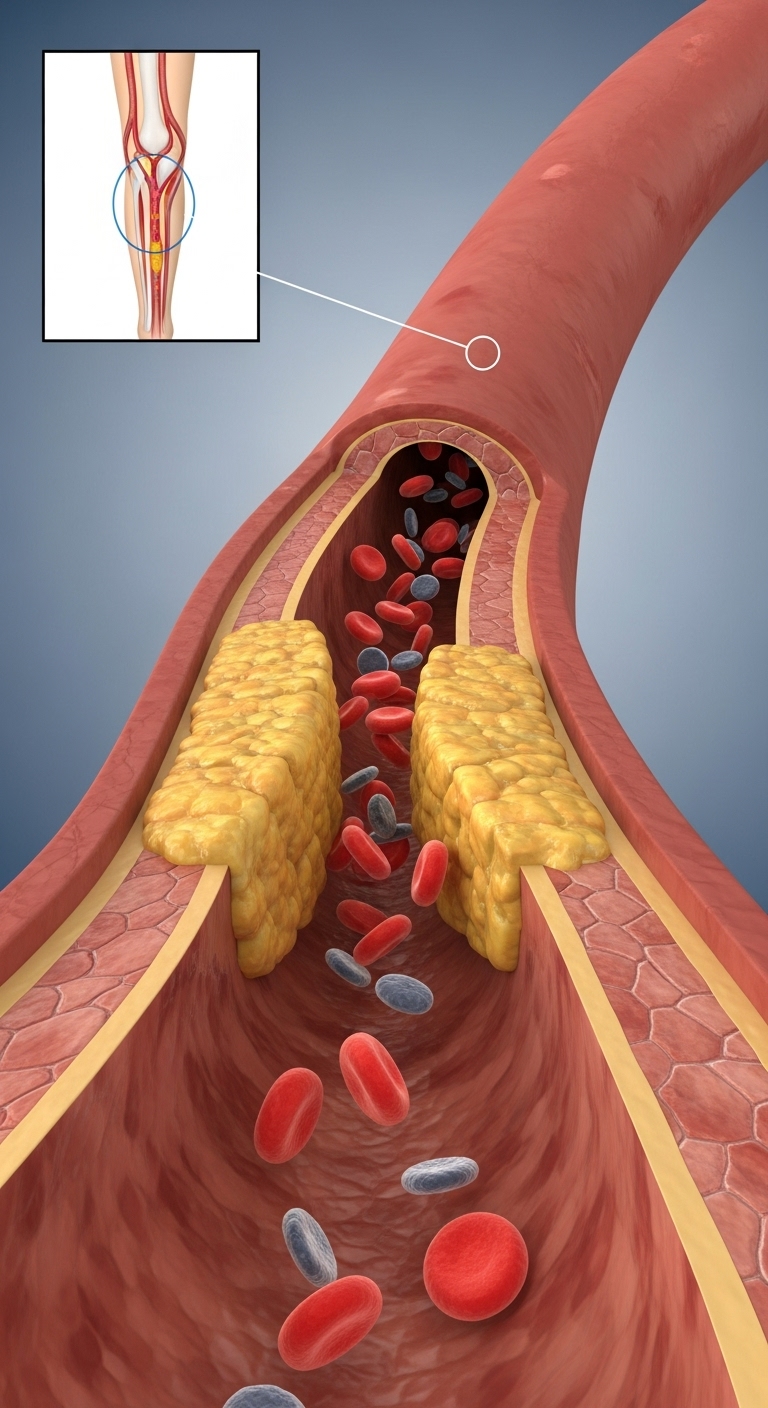
Peripheral Vascular Disease (PVD), also known as peripheral artery disease, affects millions of people worldwide. This condition occurs when blood vessels outside the heart and brain become narrowed or blocked, reducing blood flow to your limbs, organs, and tissues. In Pakistan, vascular diseases are increasingly common, making early detection and expert treatment essential for maintaining your health and mobility.
PVD primarily affects the arteries in your legs and feet, though it can also impact blood vessels in your arms, stomach, and kidneys. Understanding this condition is the first step toward effective management and prevention of serious complications.
Several factors contribute to the development of PVD, with atherosclerosis being the most common cause. This process involves the buildup of fatty deposits, cholesterol, and other substances in your artery walls, creating plaques that narrow or block blood flow.
Certain factors increase your likelihood of developing PVD. While some risk factors cannot be changed, many can be managed through lifestyle modifications and medical intervention:
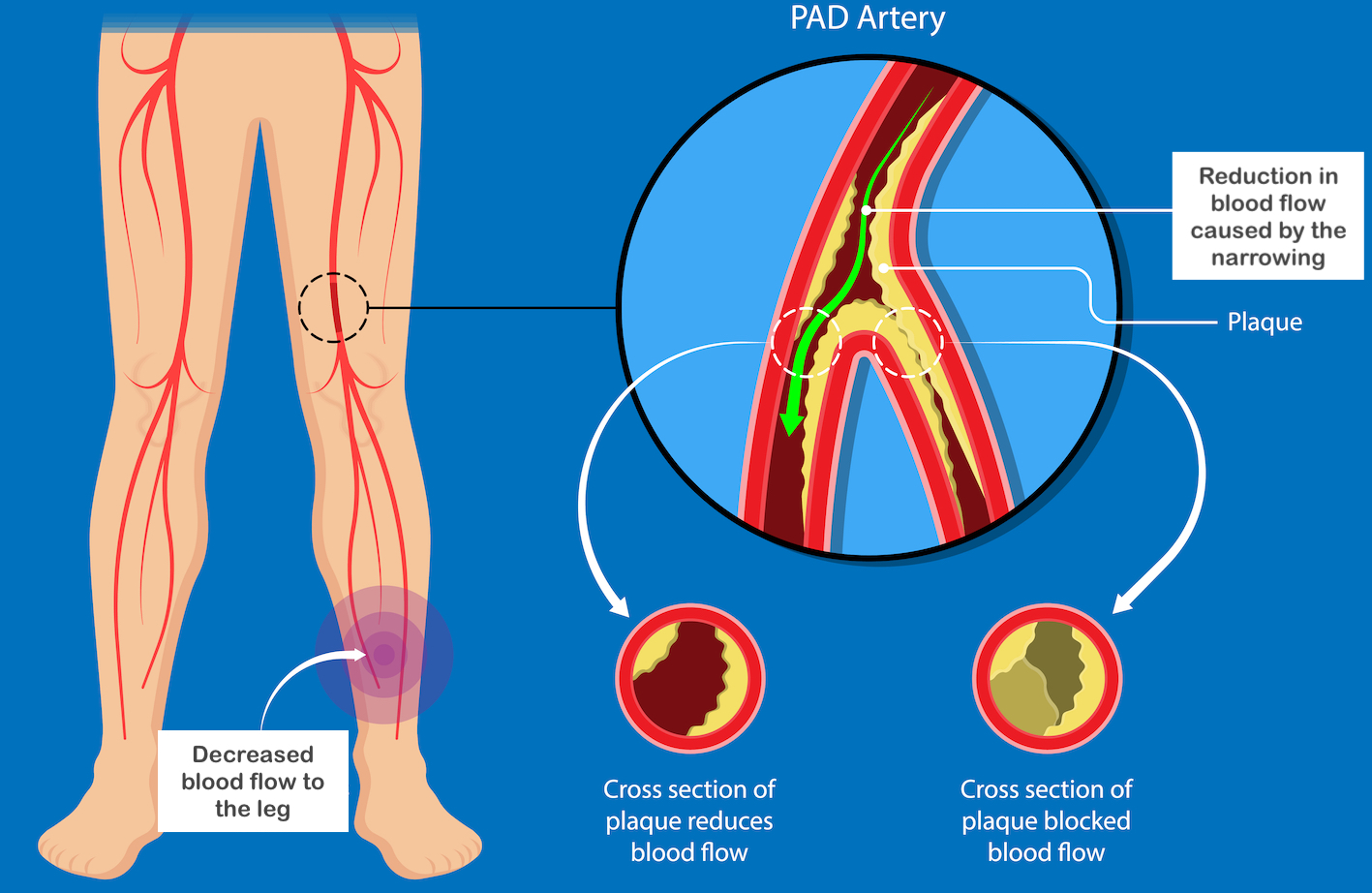
Without proper treatment, peripheral vascular disease can lead to serious complications that significantly impact your health and lifestyle
Our comprehensive diagnostic approach ensures accurate assessment and treatment of your vascular health using state-of-the-art technology and expert evaluation:
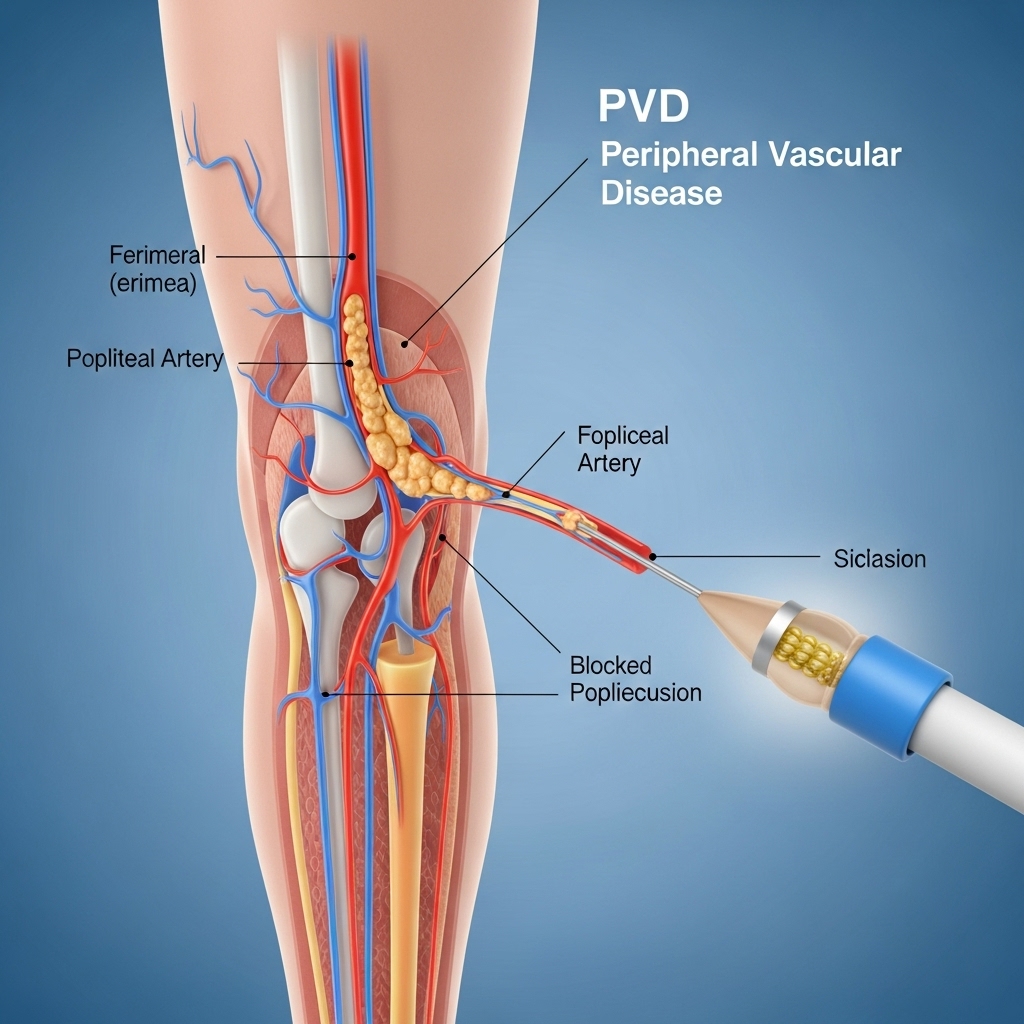
Our approach combines advanced diagnostic technology with personalized treatment plans developed by leading vascular specialists. We prioritize minimally invasive techniques that offer shorter recovery times and better outcomes while providing comprehensive ongoing support.
Recovery times vary depending on the specific procedure and your overall health. Most minimally invasive treatments allow you to return to normal activities within days to weeks, significantly faster than traditional surgical approaches.
Coverage varies by insurance provider and specific treatment. Our team works with you to understand your coverage options and develop treatment plans that meet both your medical needs and financial considerations.
Coverage varies by insurance provider and specific treatment. Our team works with you to understand your coverage options and develop treatment plans that meet both your medical needs and financial considerations.
How often you need to follow up will depend on your health and treatment strategy. Most patients benefit from regular monitoring every 3-6 months, with more frequent visits during initial treatment phases.